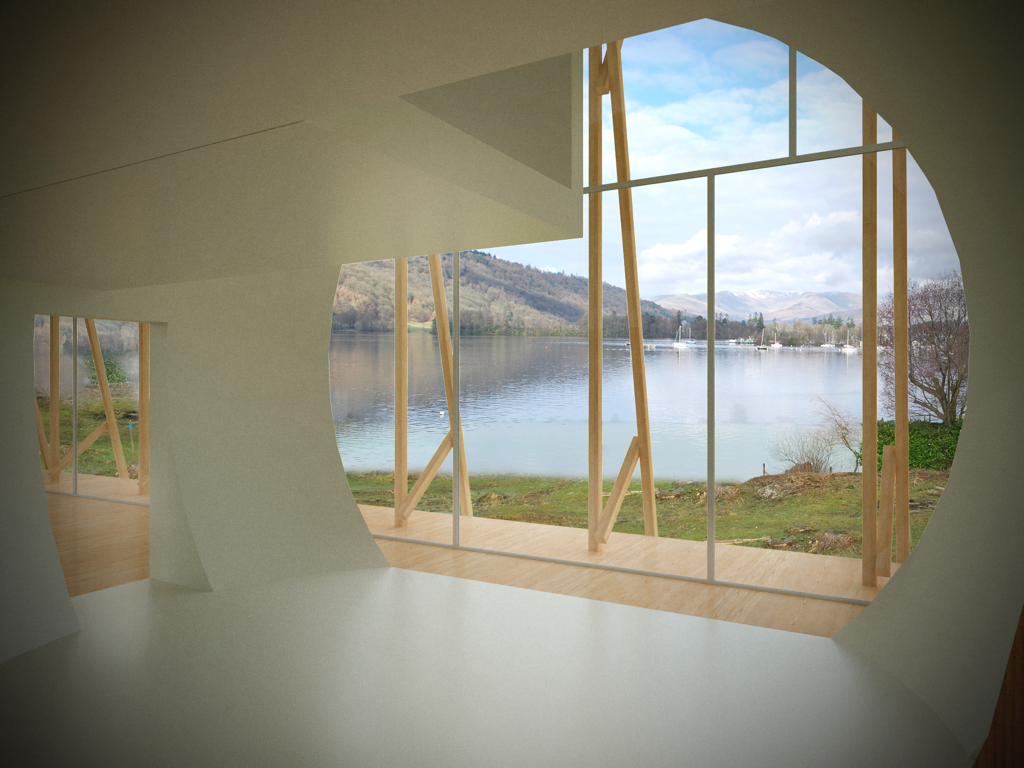
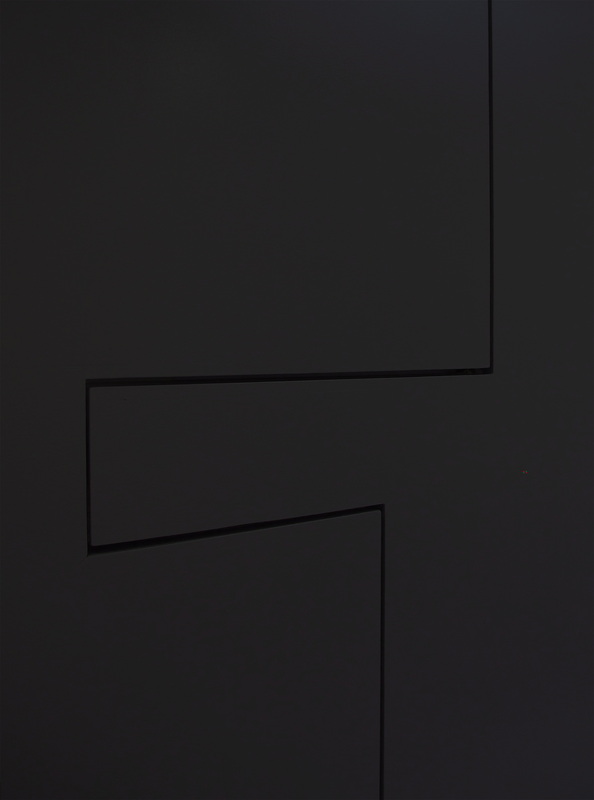
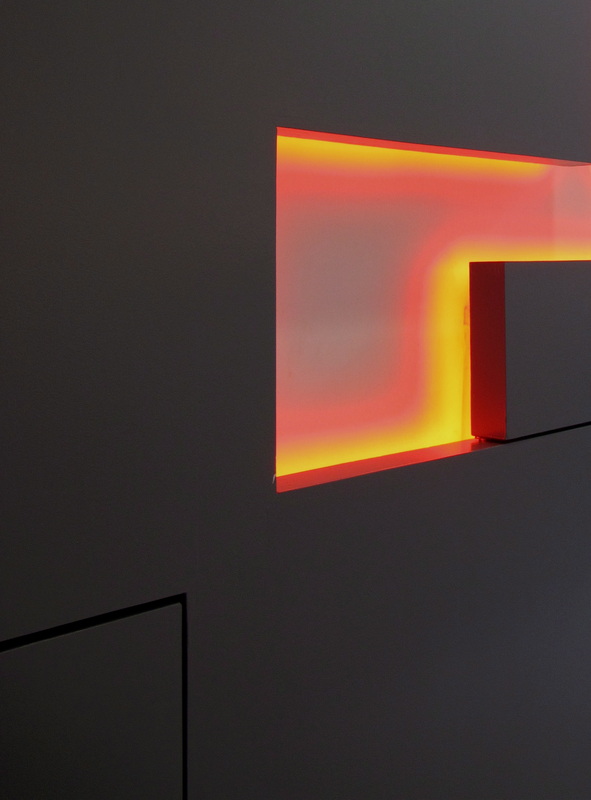
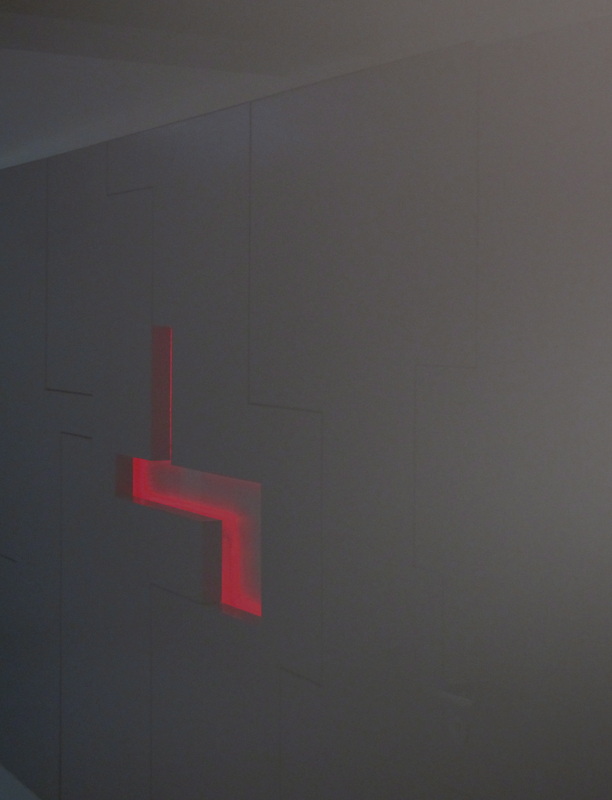
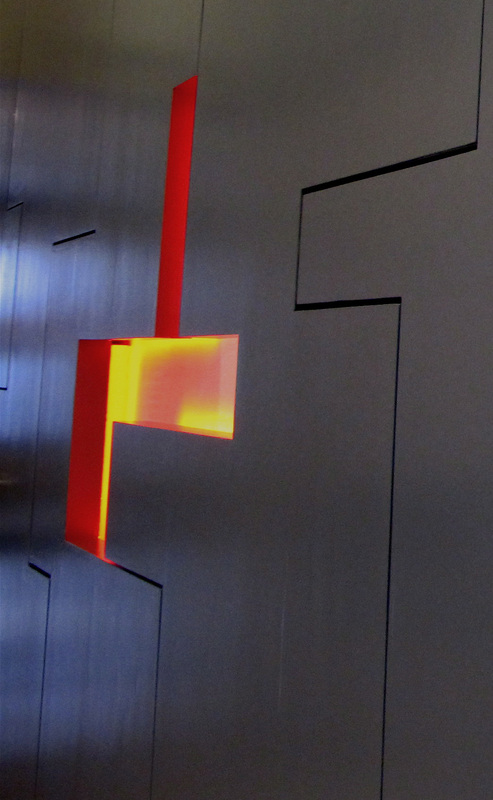
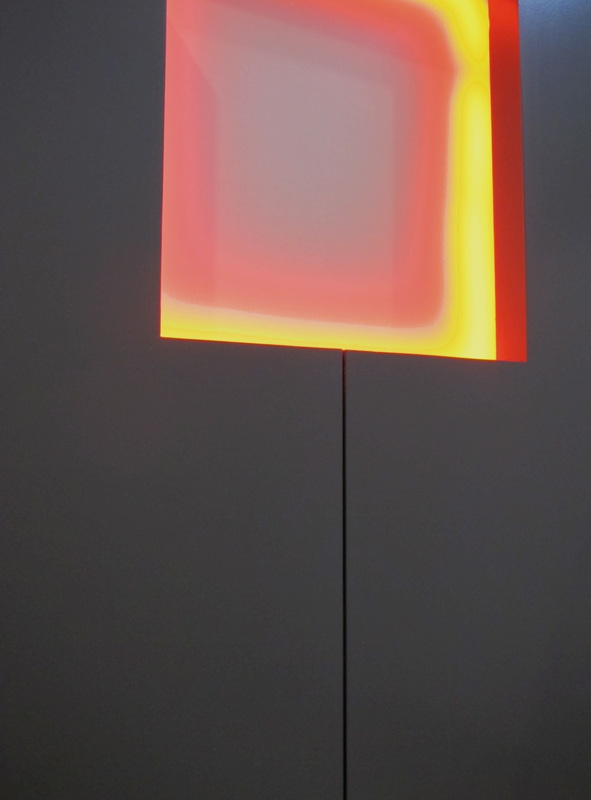
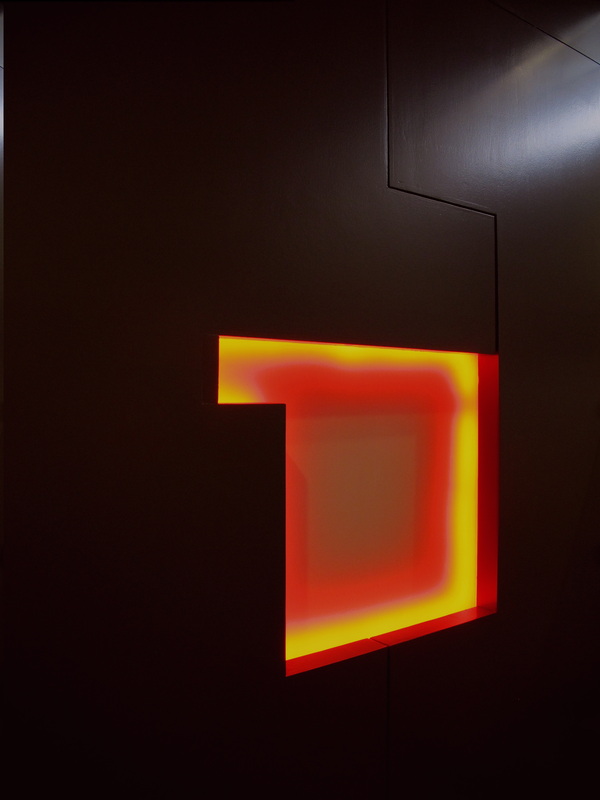
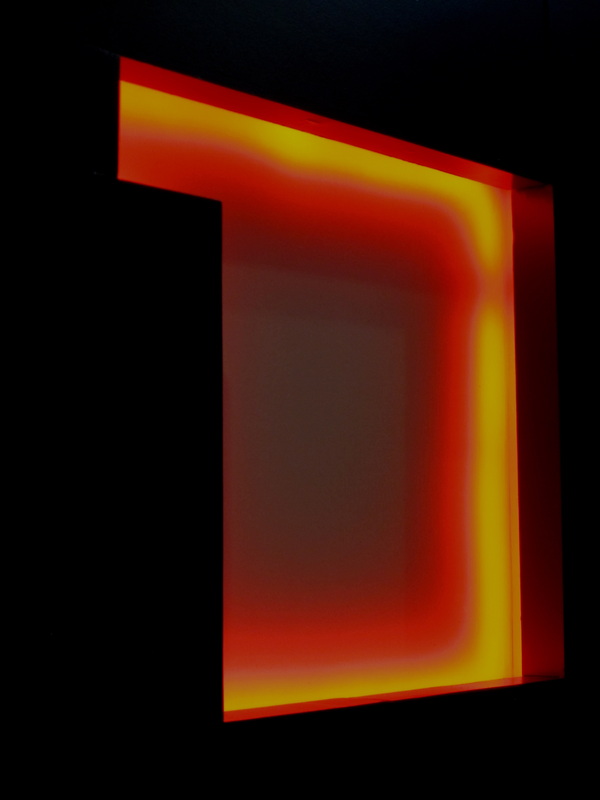
 I was recently asked to take part in an invited competition, I do quite a lot of them. The site was incredible - it was for a house on Lake Windermere. I didn't win it, but I did realise something which you'd think was obvious: Sites like that don't come around very often. My philosophy has always been that context is always interesting - no matter what. That the smallest, most restricted project can produce anything you want - if you are creative enough. Conditions are seen abstractly and beauty is found everywhere - if you are just open enough to see it. With this site seeing the beauty didn't require any creativity from me. And anyone would be able to see it. Just sitting on the jetty looking out over the lake, hearing the water lapping was a beautiful experience. And designing the house was a pleasure. It opened a new vein of pure space in me which has sent me down a mine I had unconsciously closed. The realisation - it's important to work on a site, every now and then, which is truly beautiful - a site where everyone would be in agreement about its beauty. Universal beauty. The gritty sites I normally deal with do have a beauty, but only through my eyes. My Architecture reflects this - I don't expect anyone else to see it. 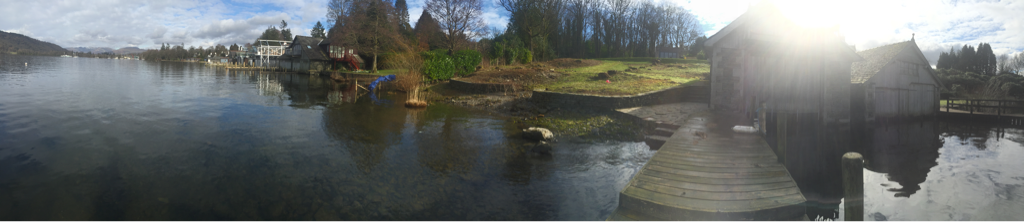 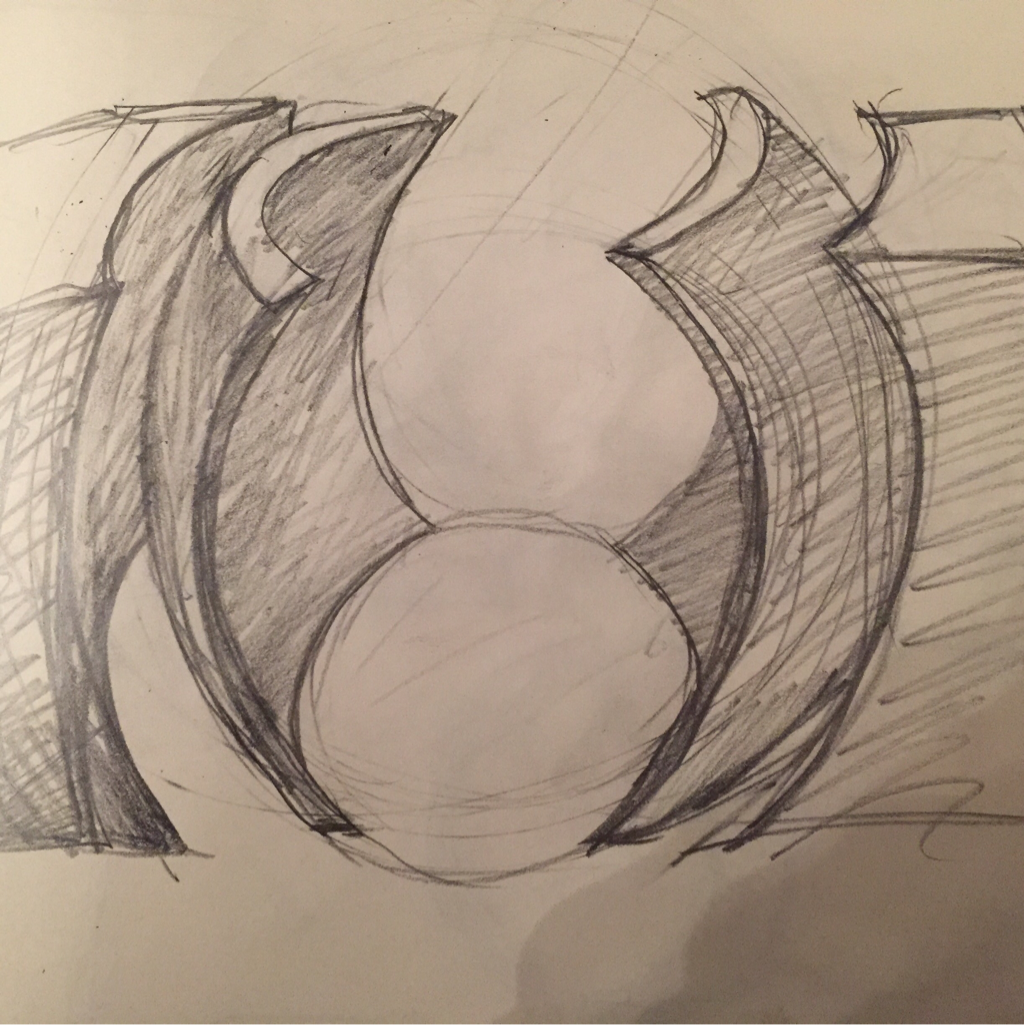 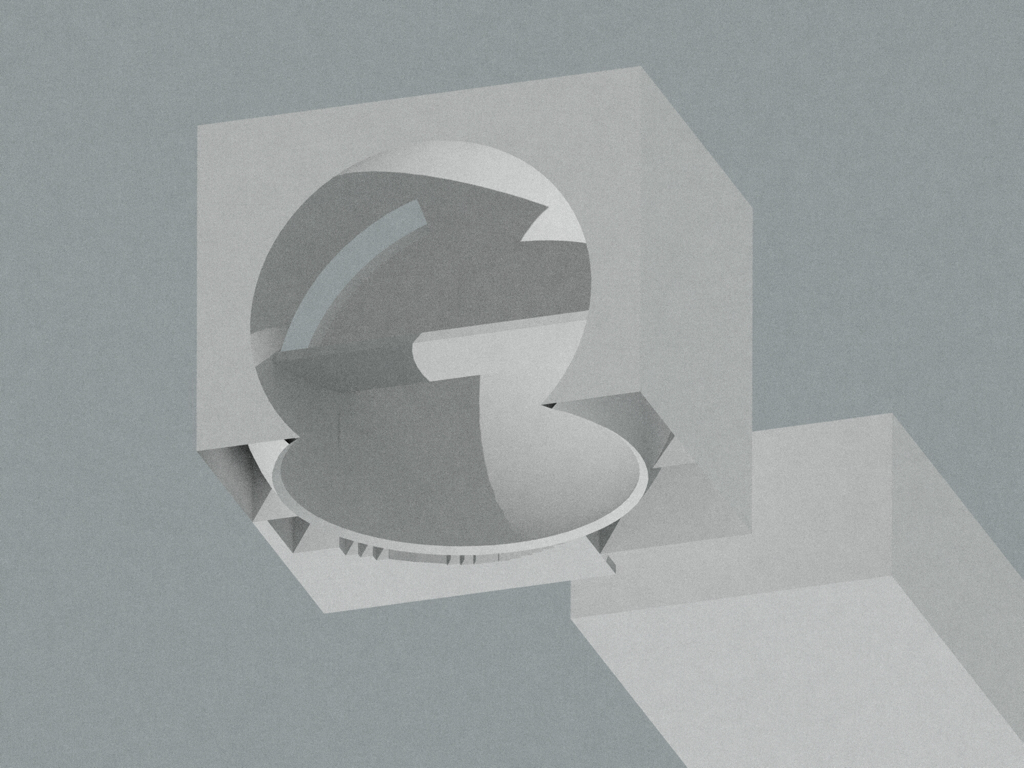 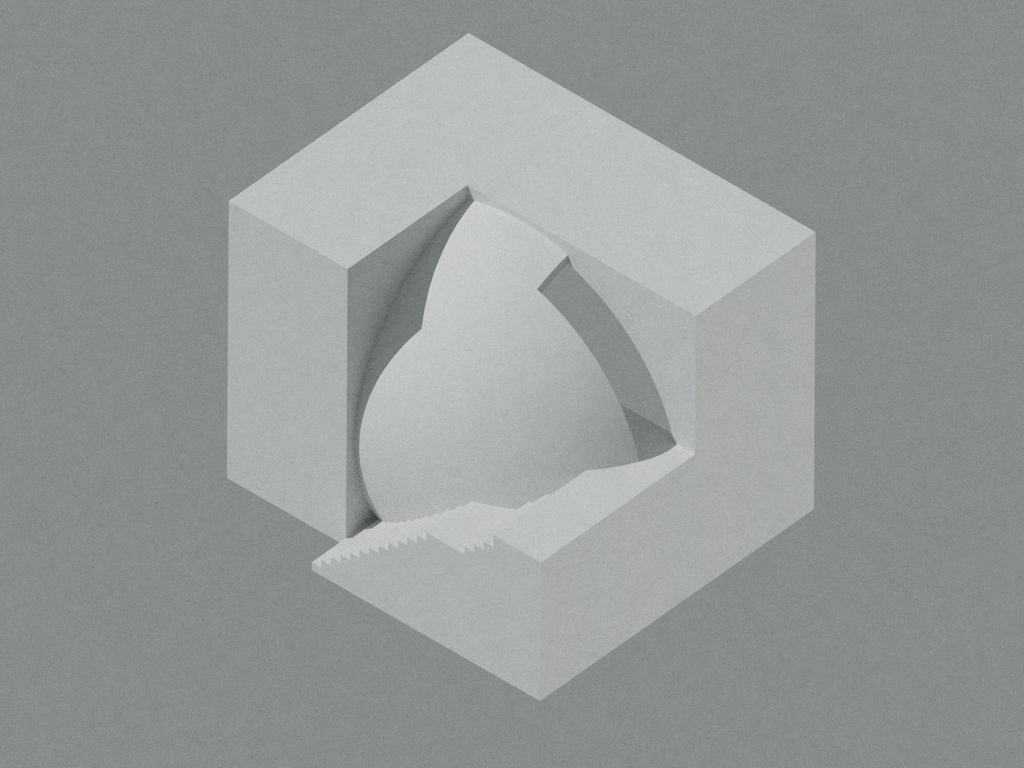 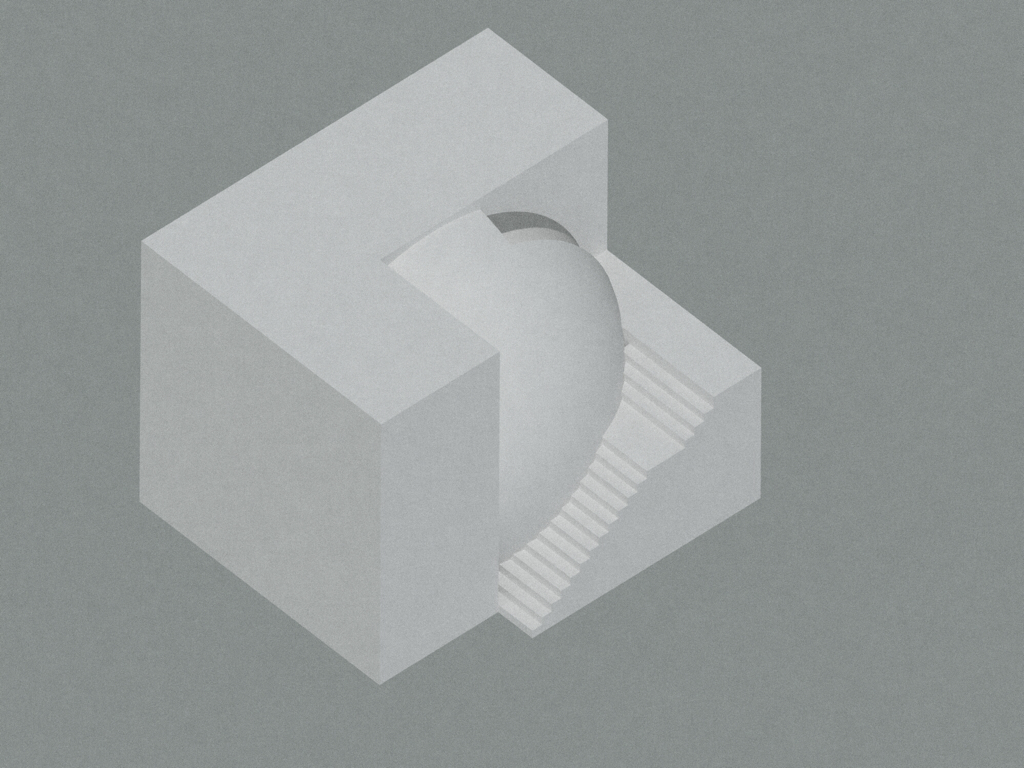 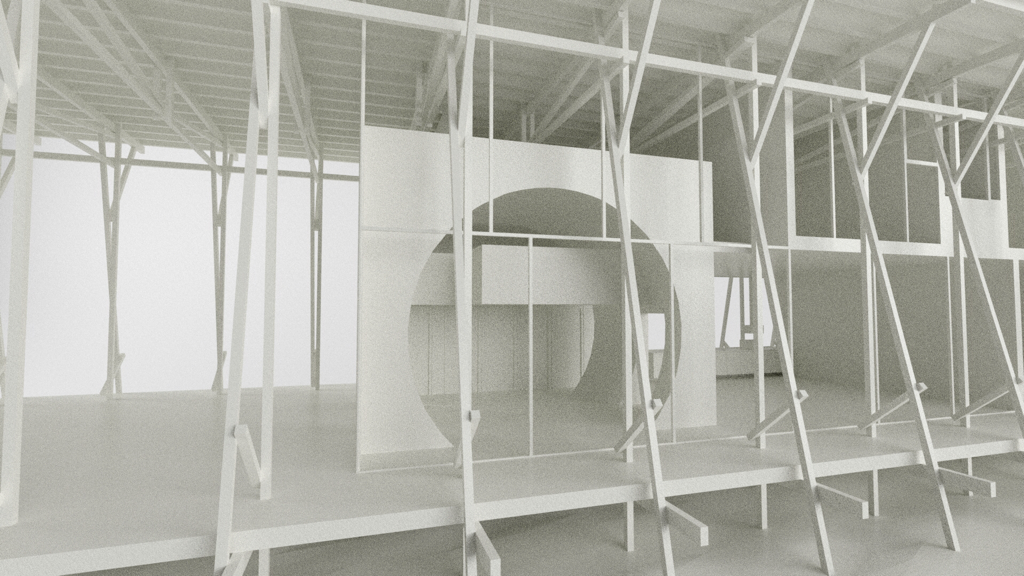 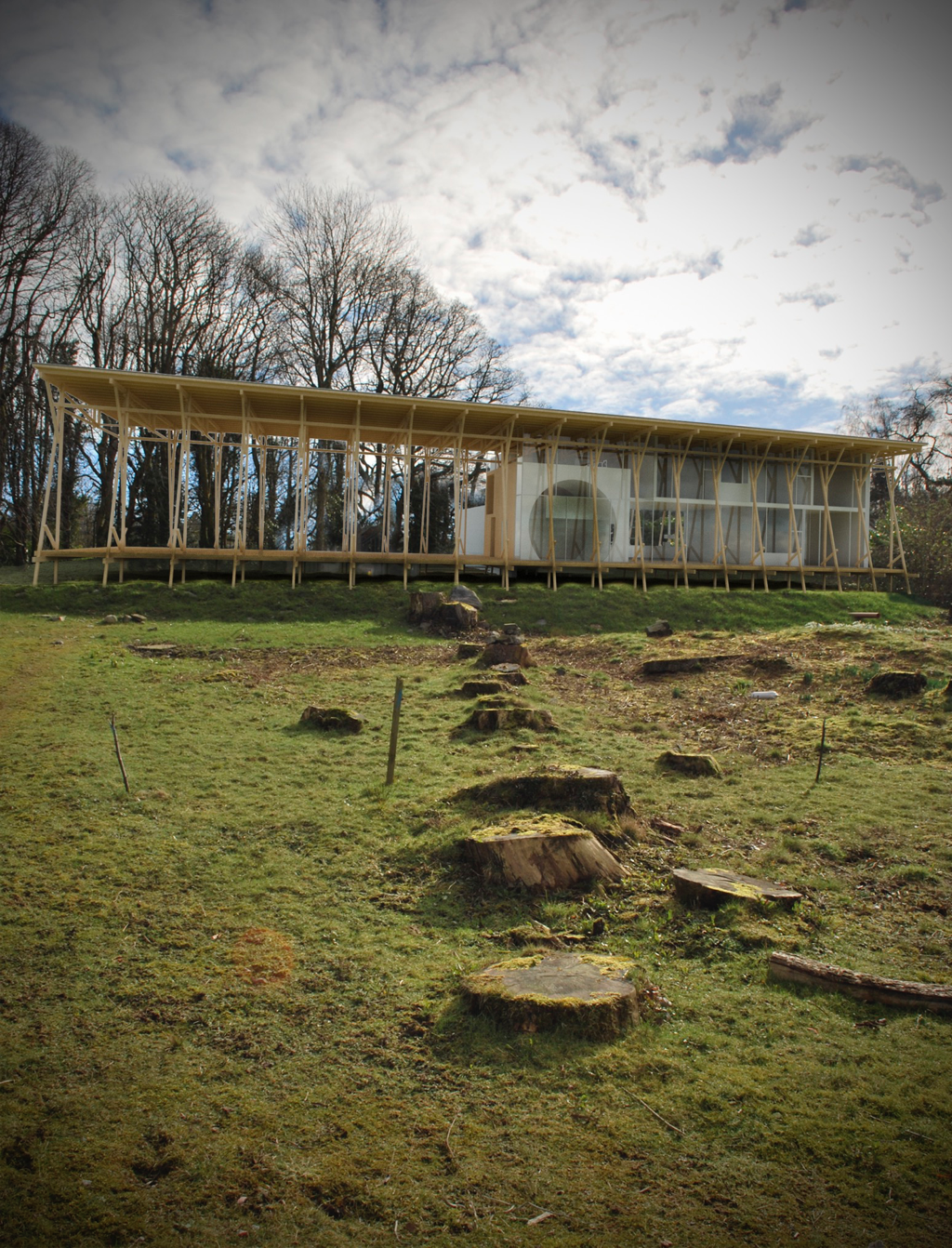 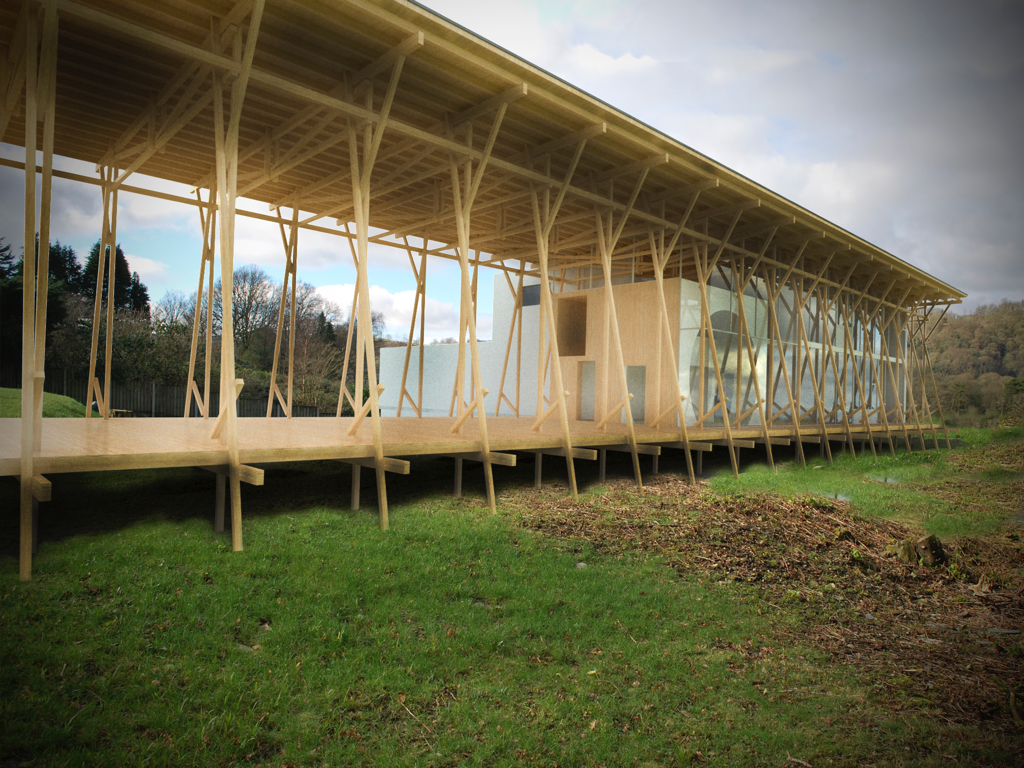 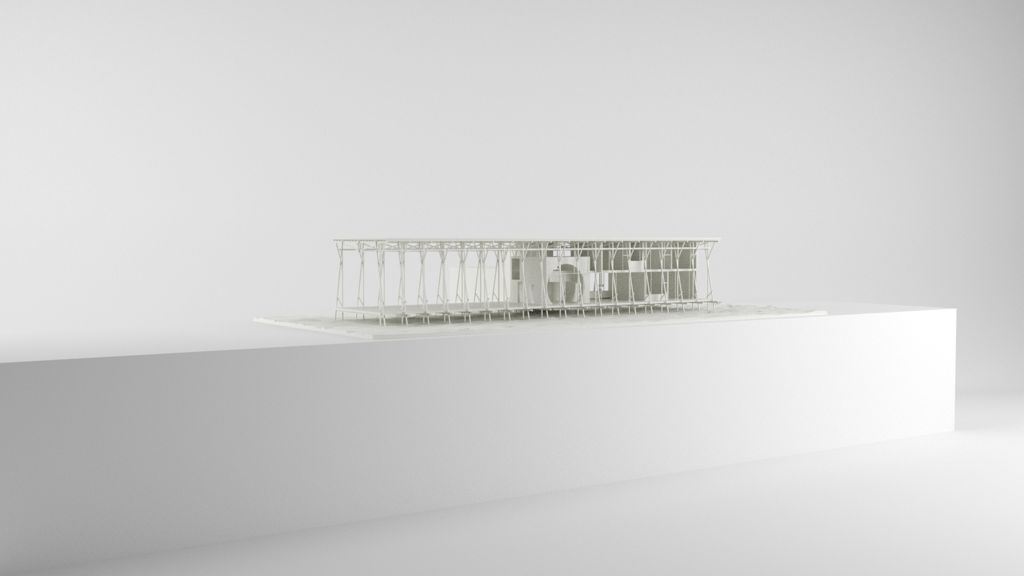 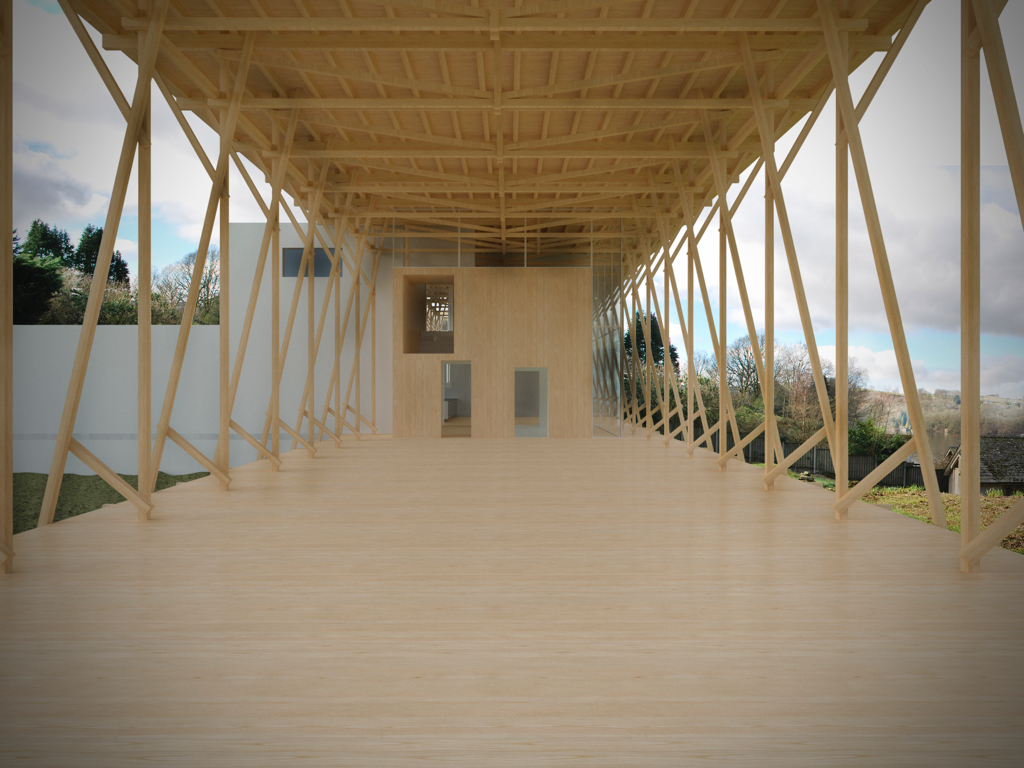 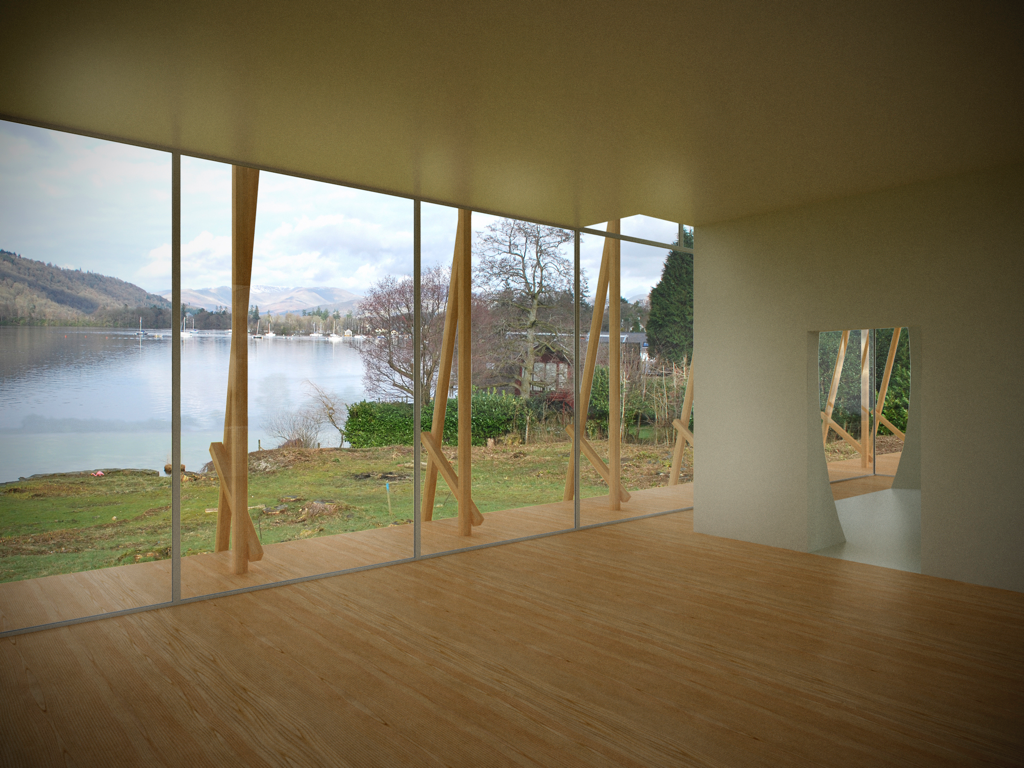 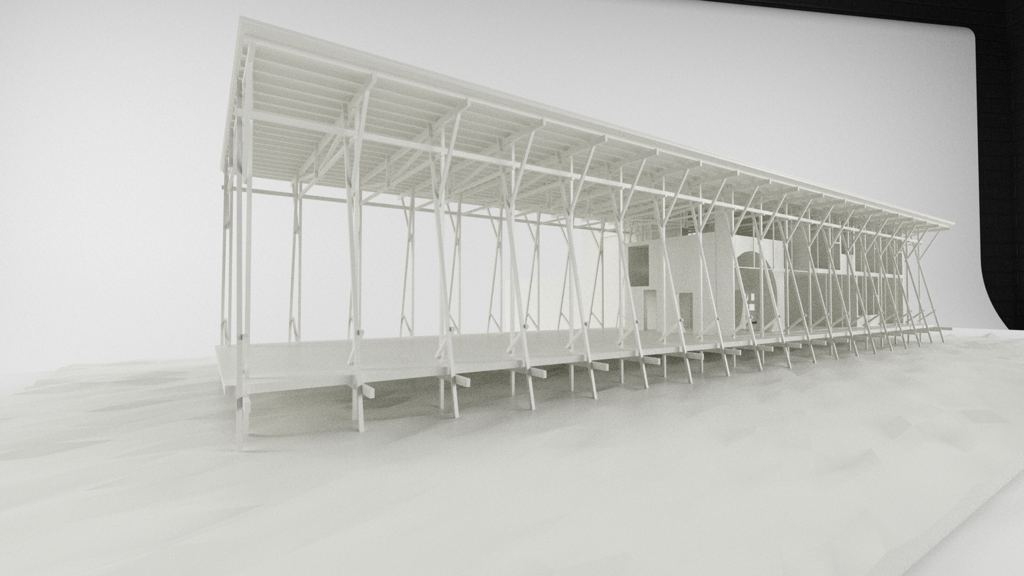 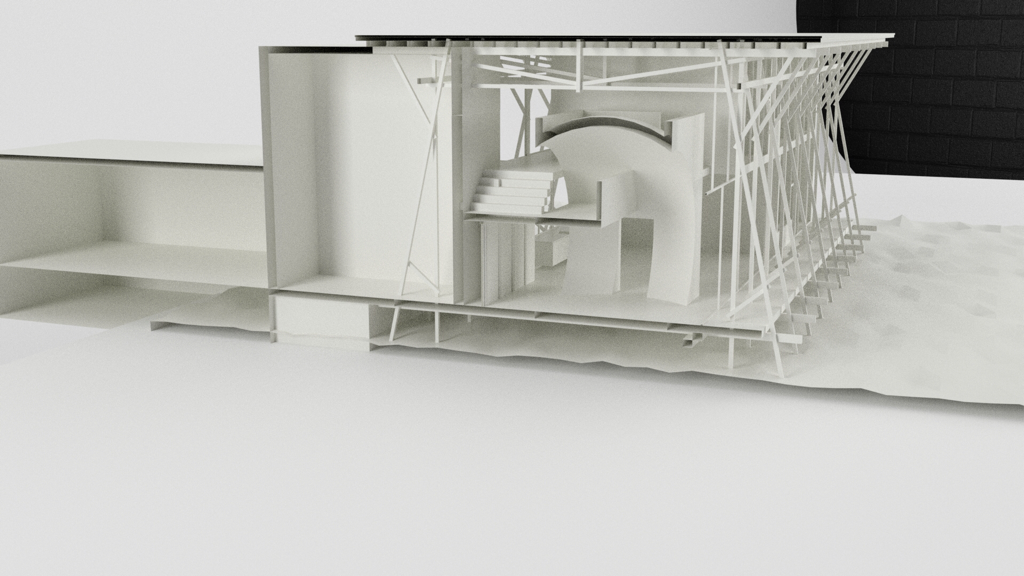 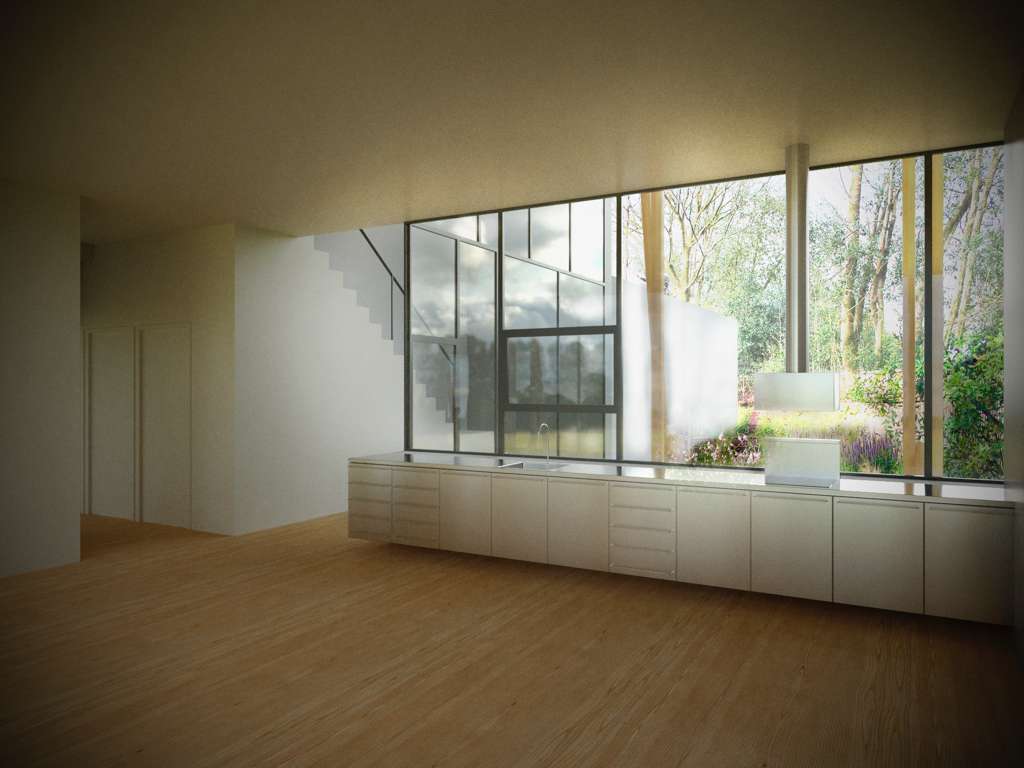 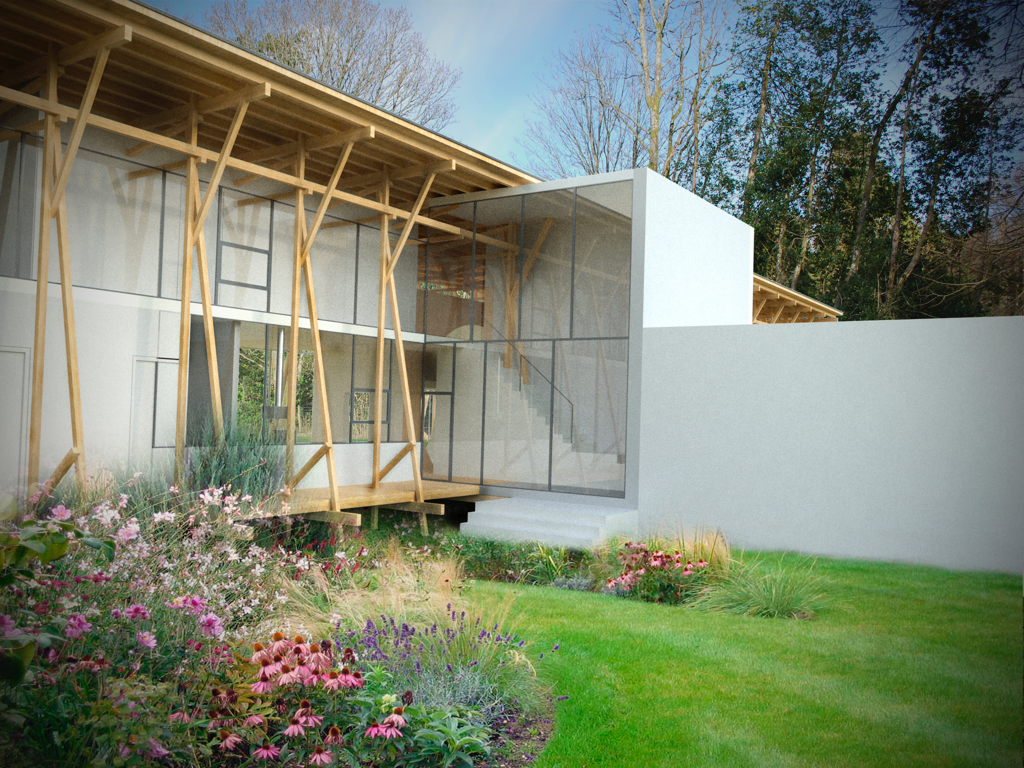 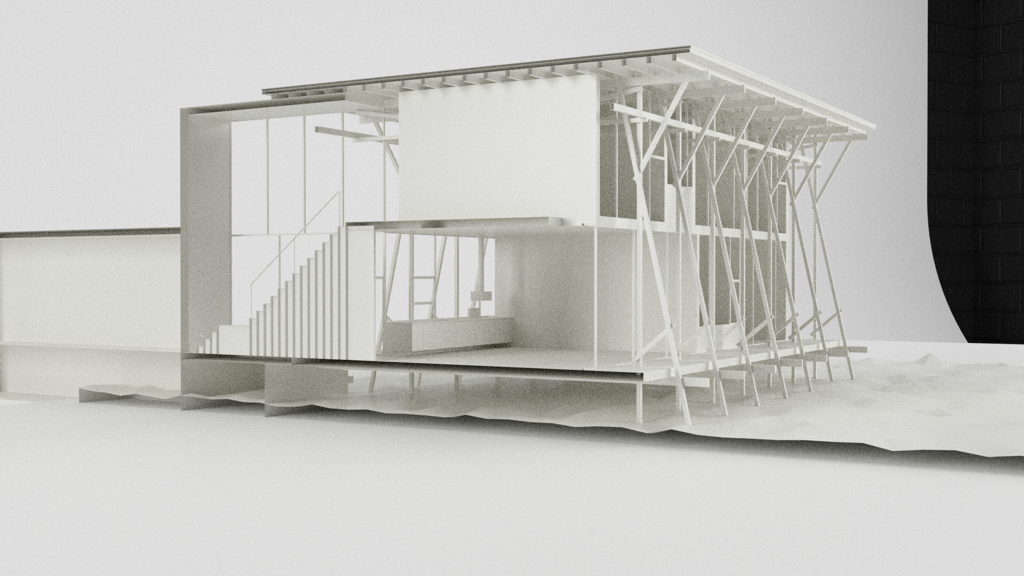 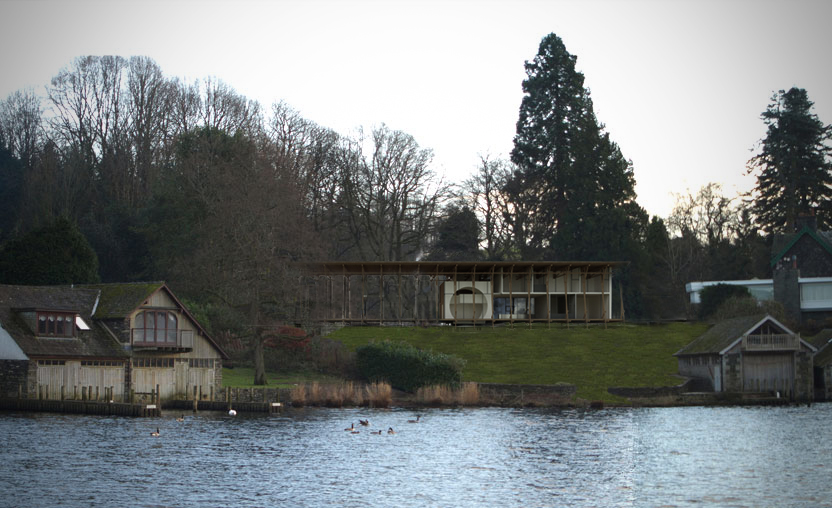 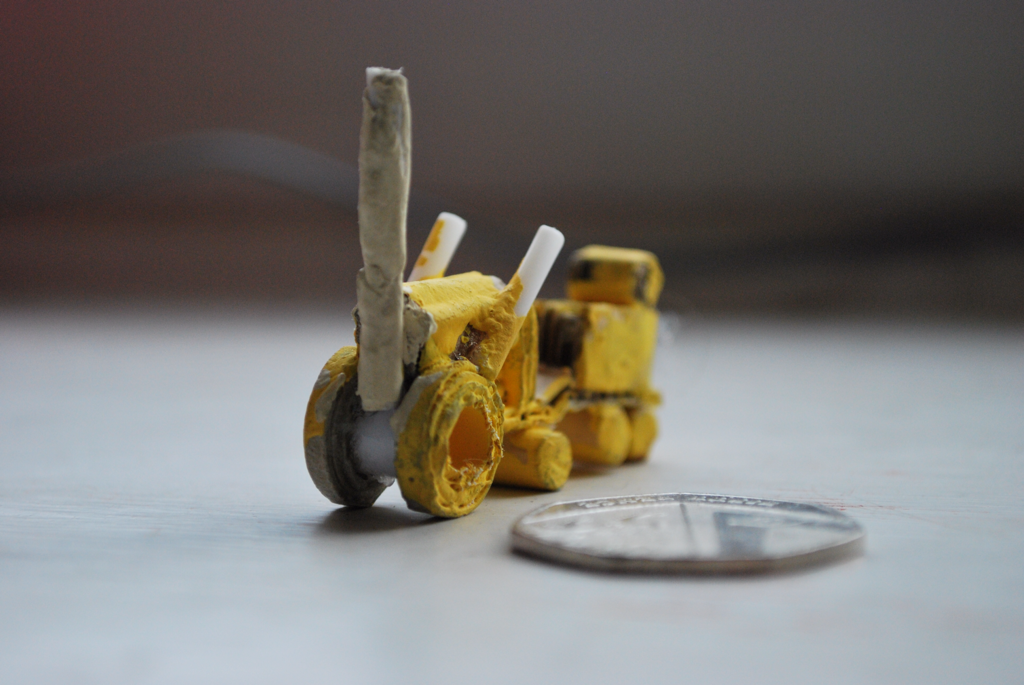 As a follow on from a post in December of 2014 - 'We are all children really'. Here is a small selection of some of the things my boys make. Louis is now nearly seven and Albert is nearly four. They have an innocent compulsion to form these creations which seem to explode inside their minds and must come out before and above anything else. They don't dwell on process - they know exactly what needs to appear and move at full steam to make it become. They don't care if what materialises isn't perfect. They know exactly what the essence of the object should be. If this essence doesn't come through they will work tirelessly until it does. And this is what shocks me the most - the essence they must manifest is so intimately personal. It is beyond taste, correctness even reason or logic. It just is there and it must find expression. My job is to protect and honour. For as long as I can. In them and in myself. The world simultaneously and paradoxically both loves and hates this essence which we all possess. It at once worships the creative genius whilst maliciously brutalising the individual who questions the collective common denominator. There is an invisible wall. On one side we would rather support a bland correctness which suppresses our own, and more importantly our competition's, individuality. For this we pay the ultimate price - to stop you from expressing who you truly are - I must sacrifice my own essence. On the other side of the wall are people who see through this self-harming delusion and fearlessly express who they really are in the purest way. Once over this wall the suppressed elevate you above themselves applying all the labels we know about. What I see in my children is life before the fearful delusion of mediation has been learned. When I'm involved in building something with them I sometimes hear myself saying '"that's impossible, said Mr Impossible". I don't want to limit your ideas, but with the tools and technology we are using - it just can't be done'. And yet there hasn't been a time when we haven't achieved whatever it is they have dreamt up. 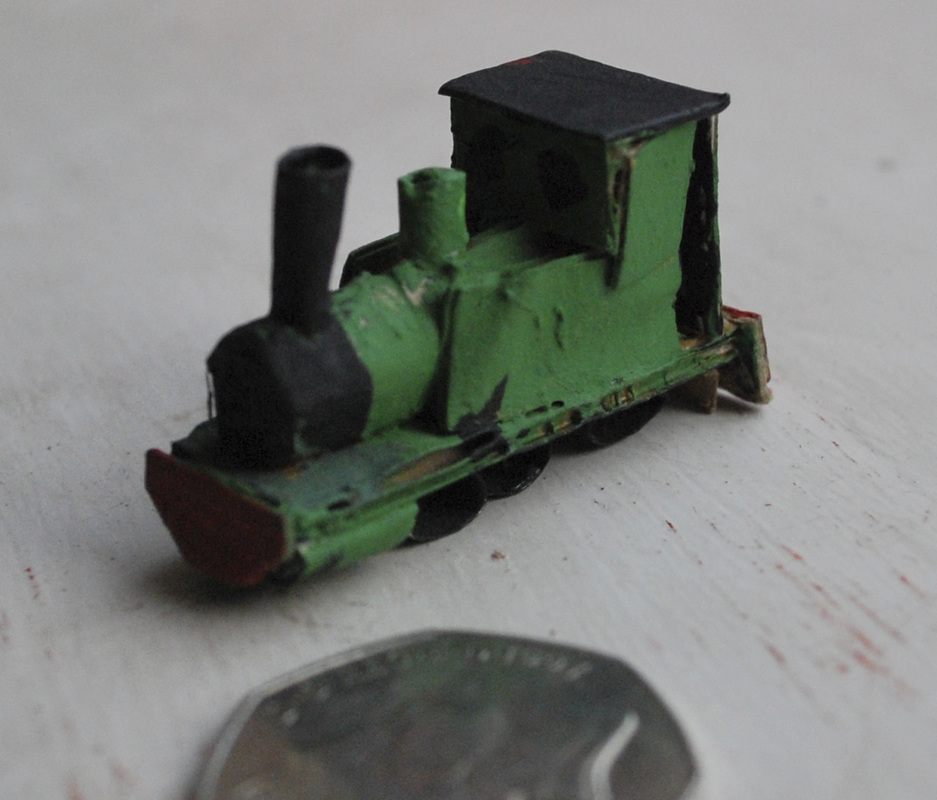 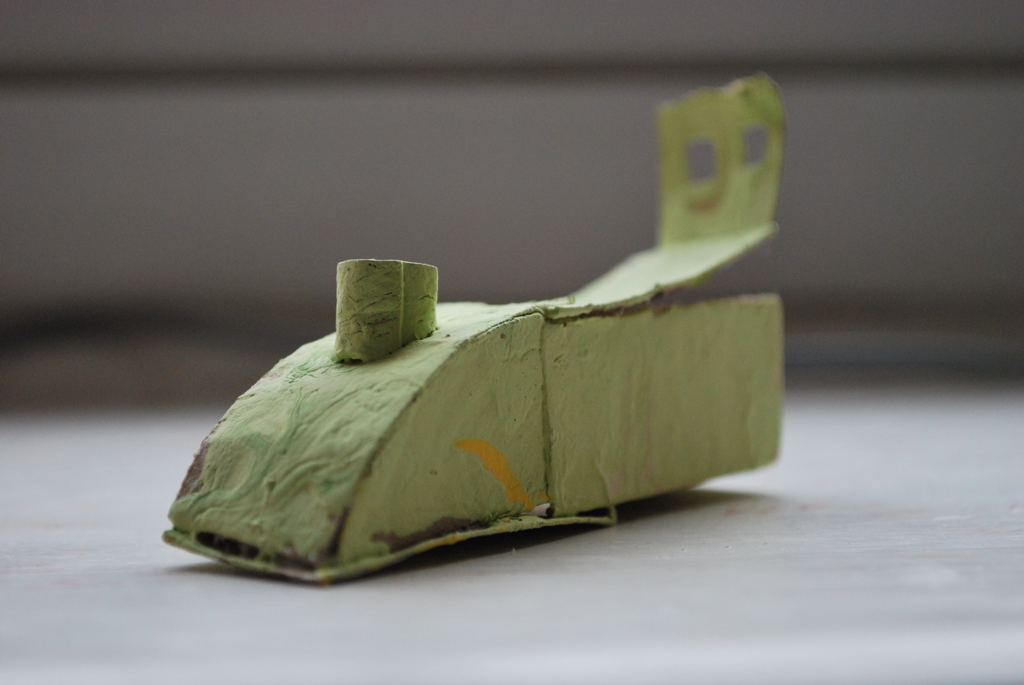 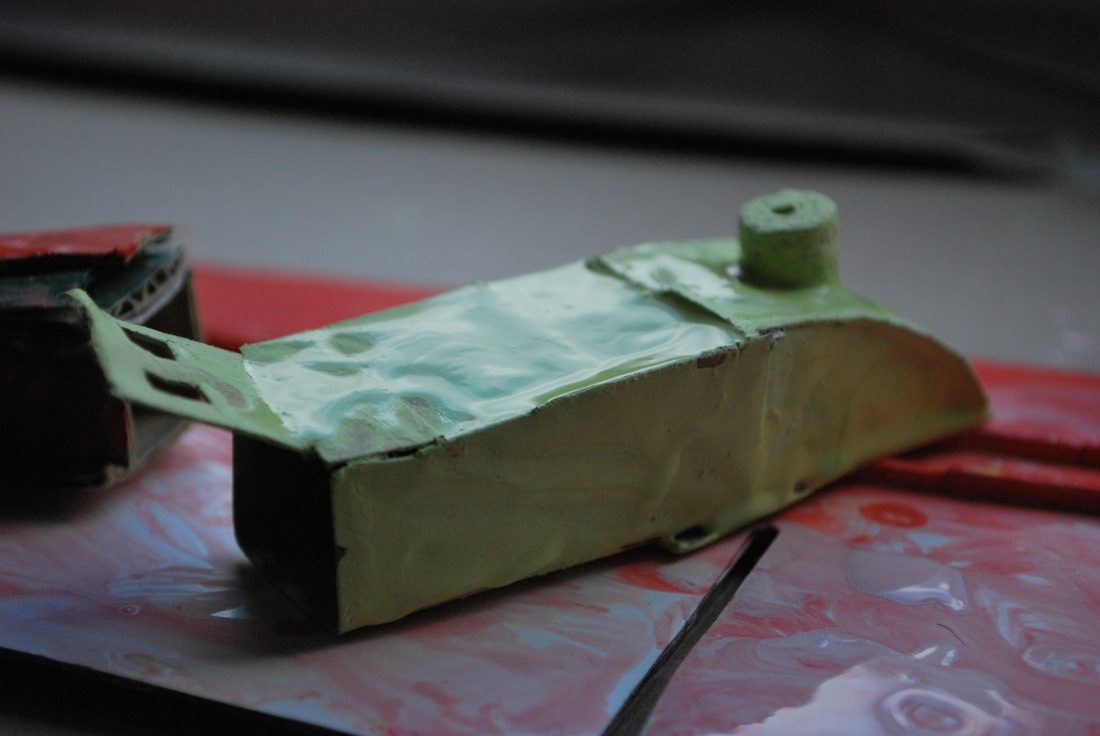 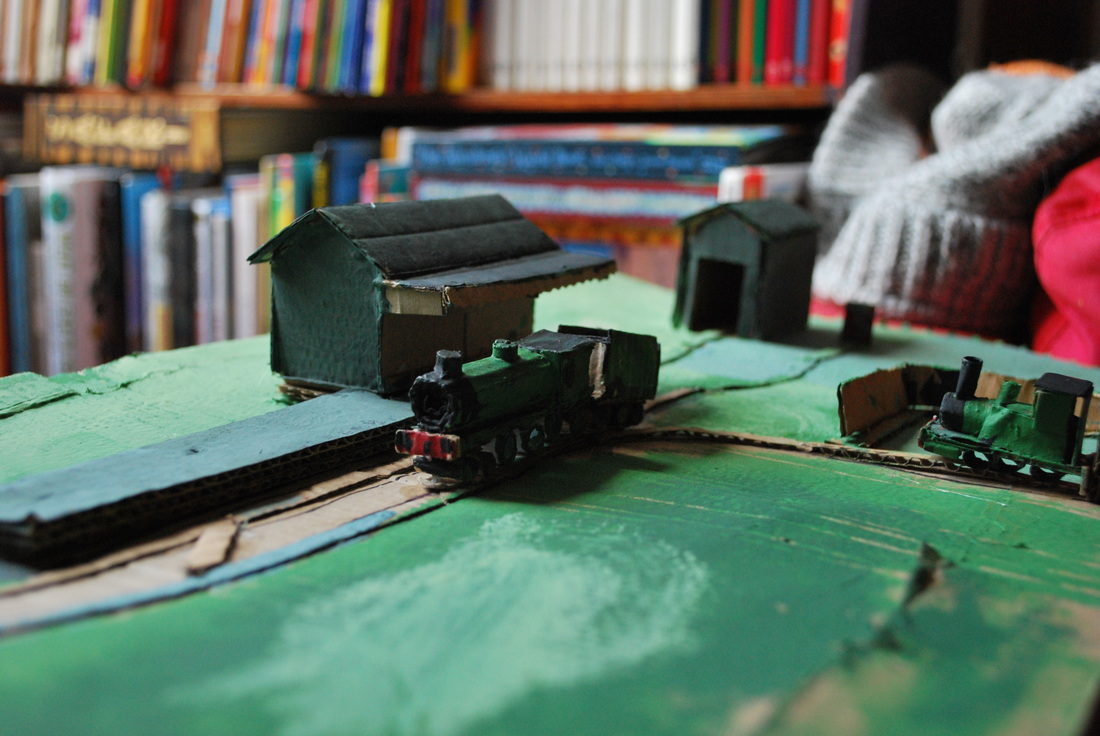 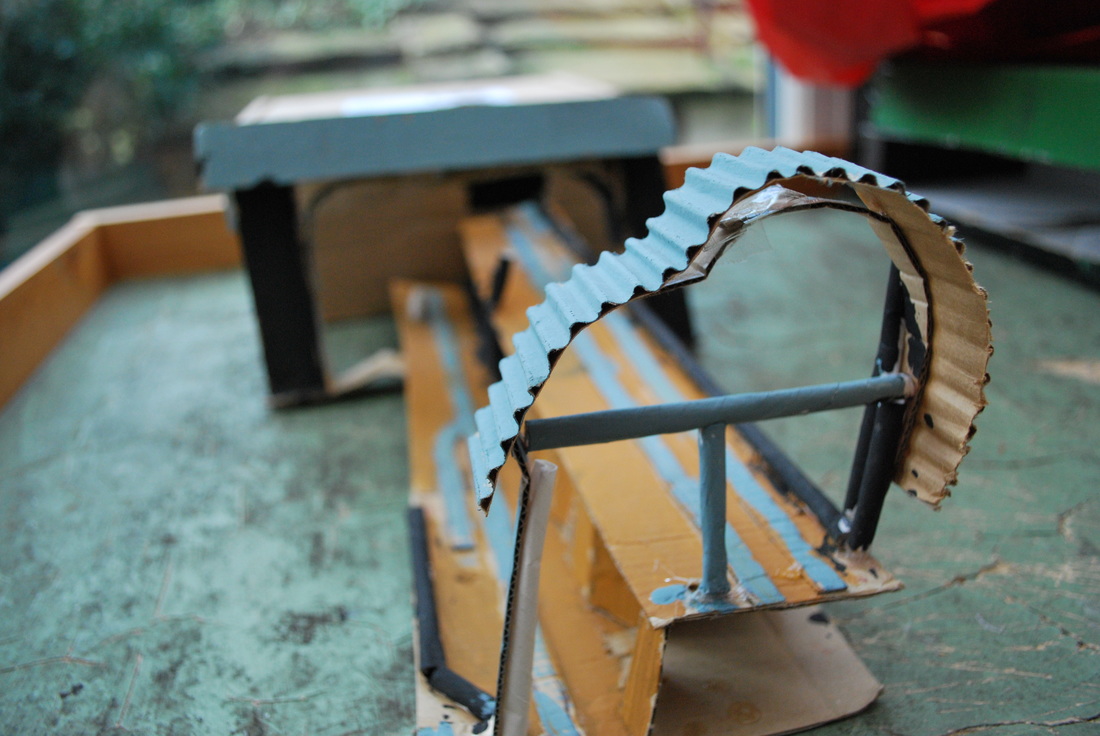 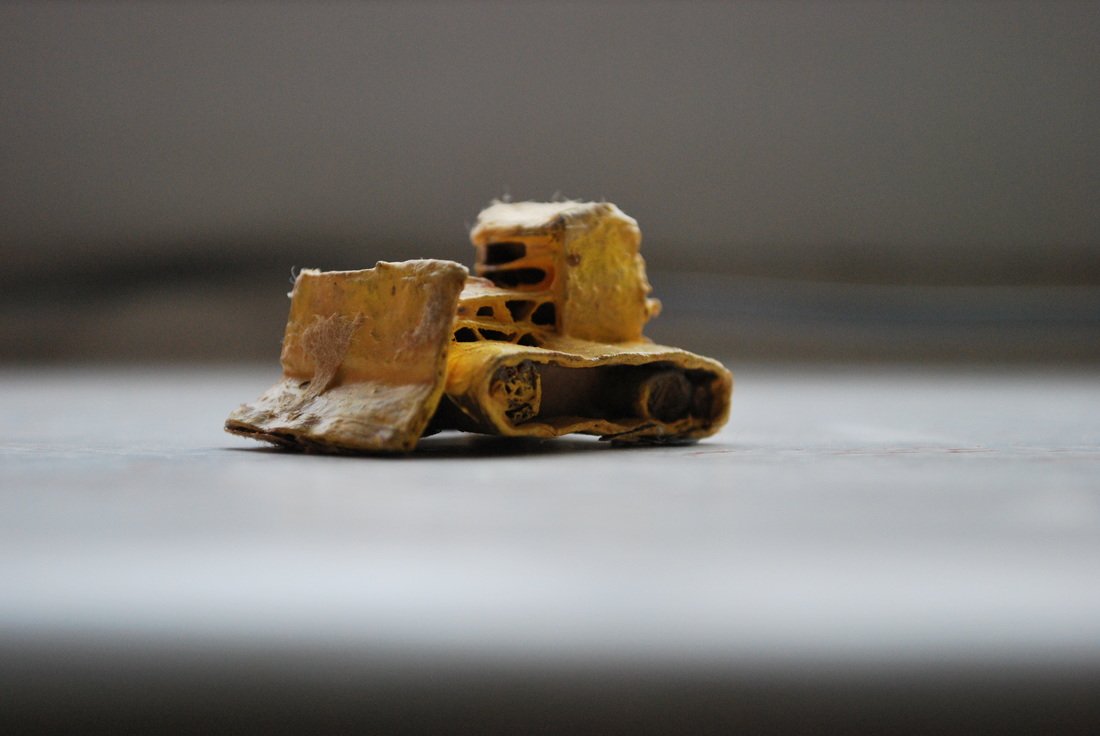 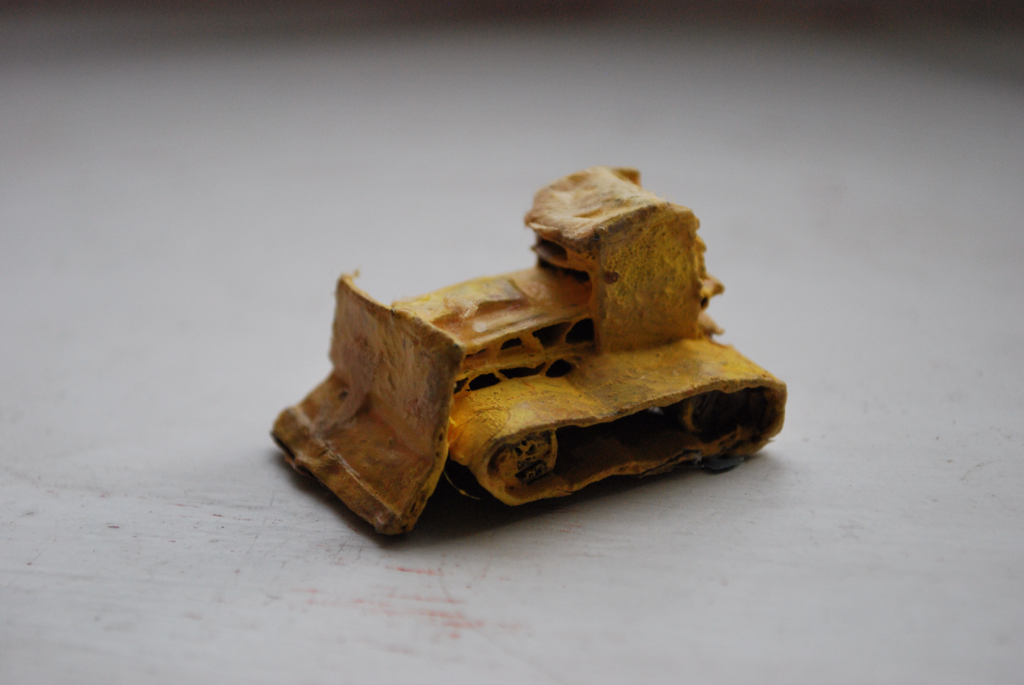 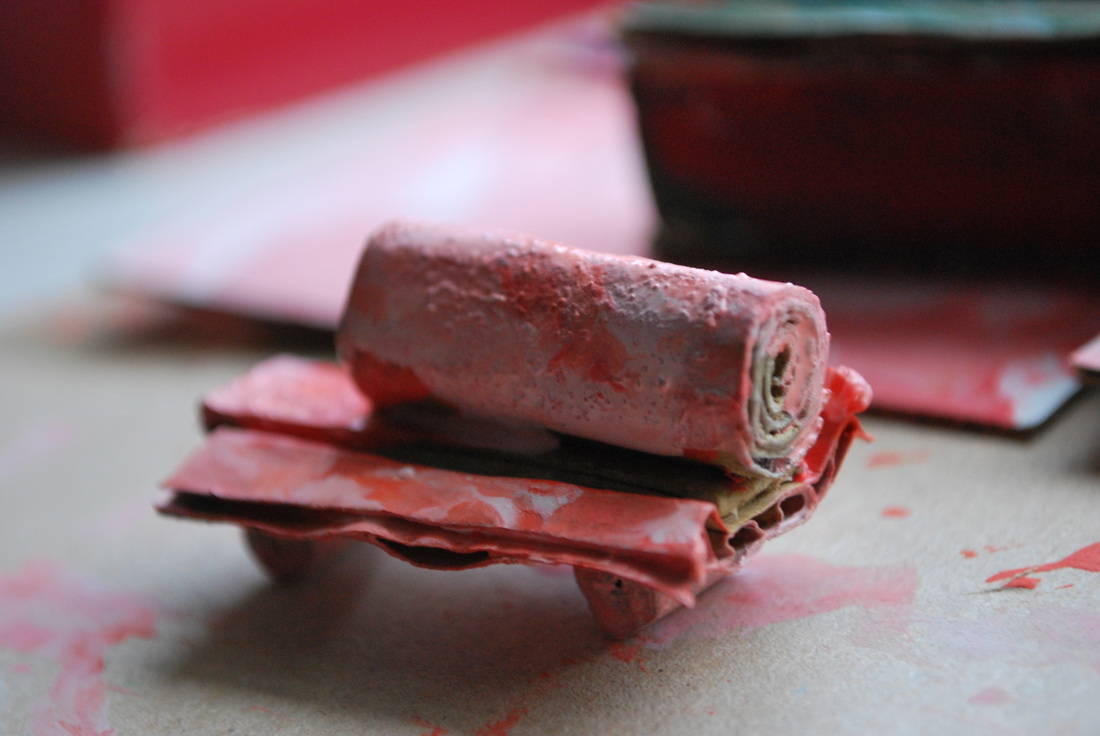 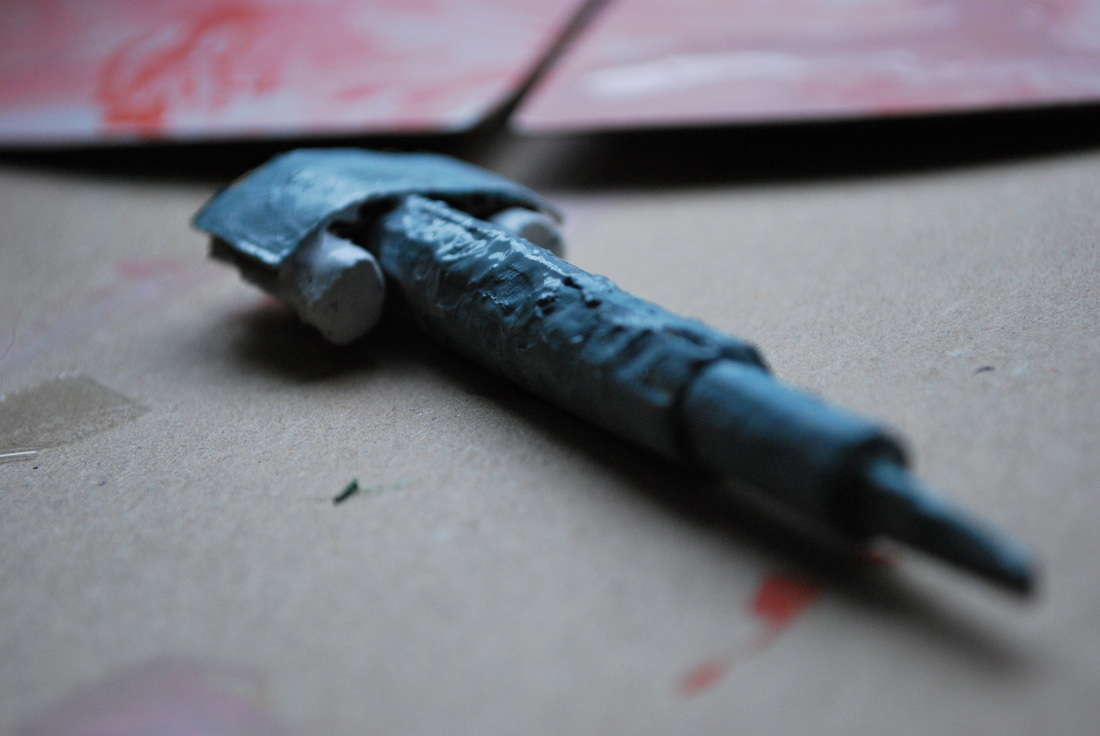 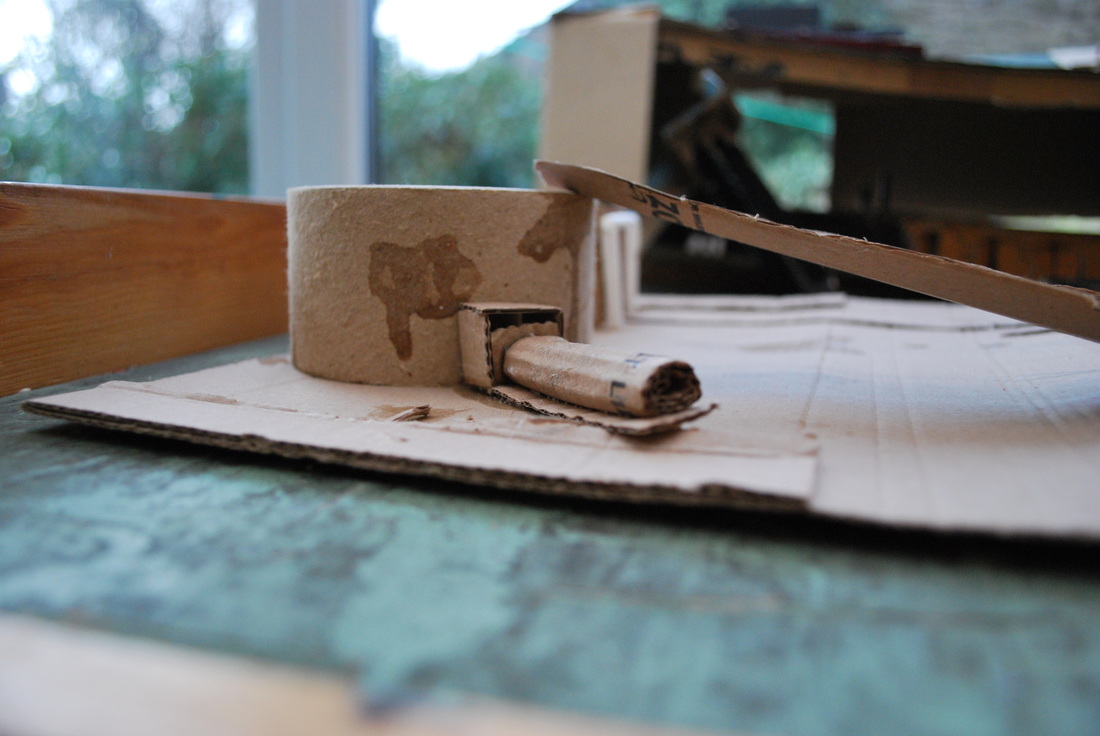 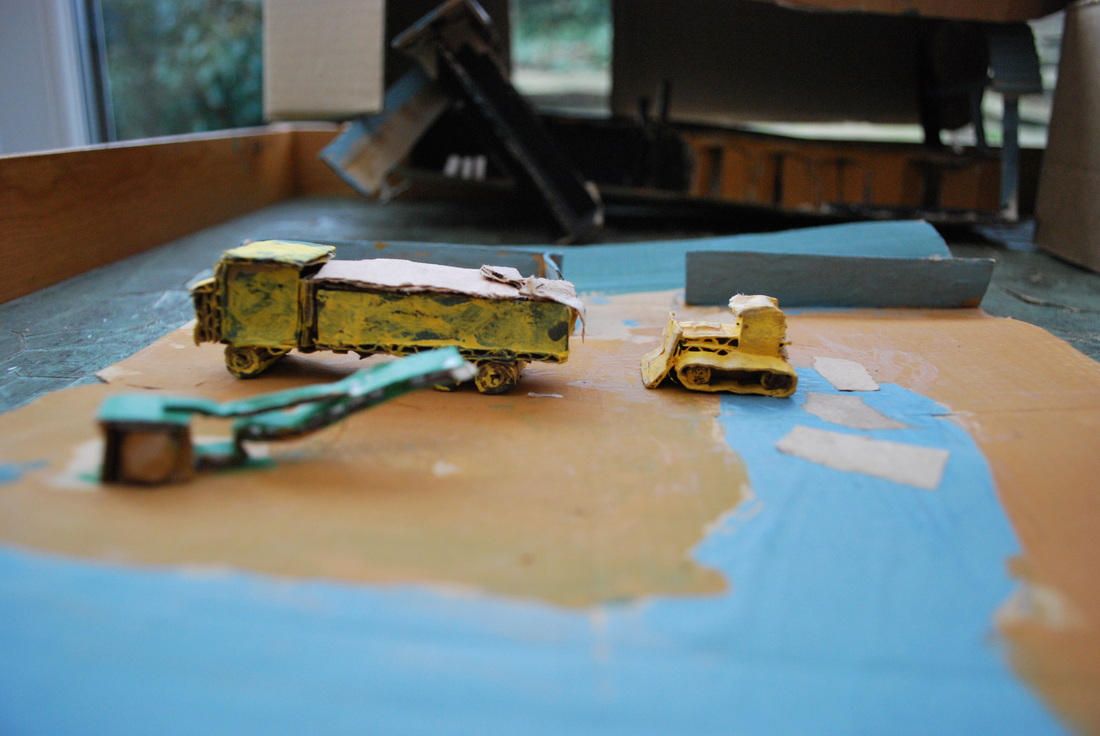 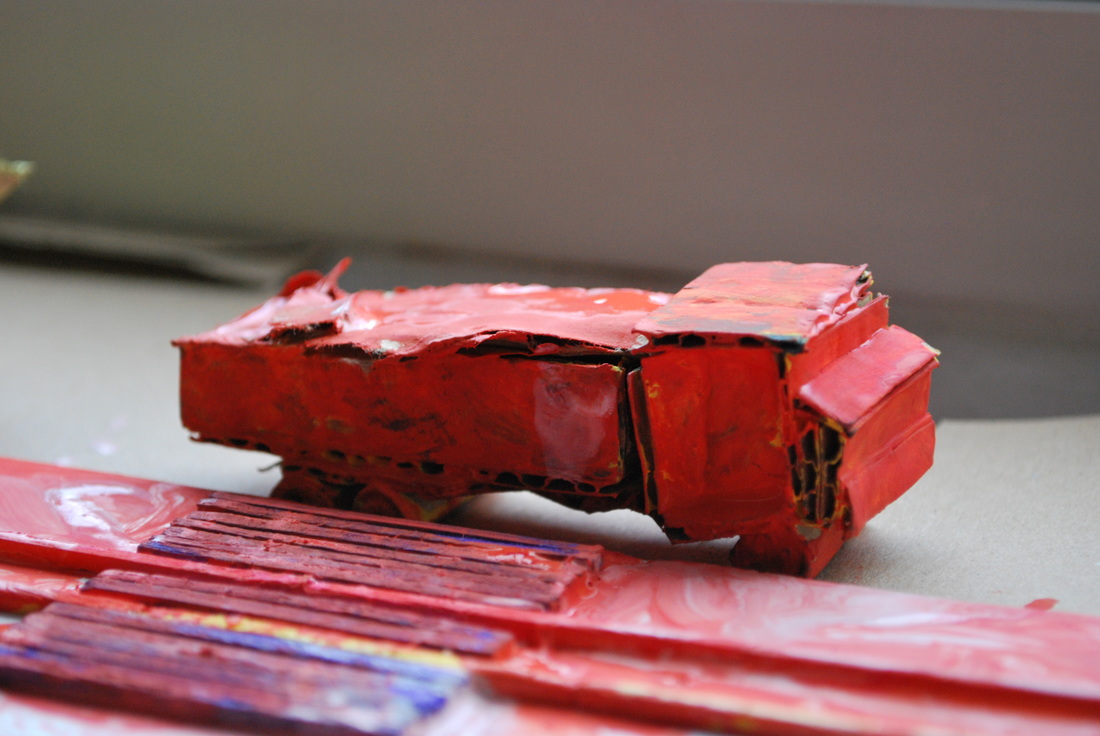 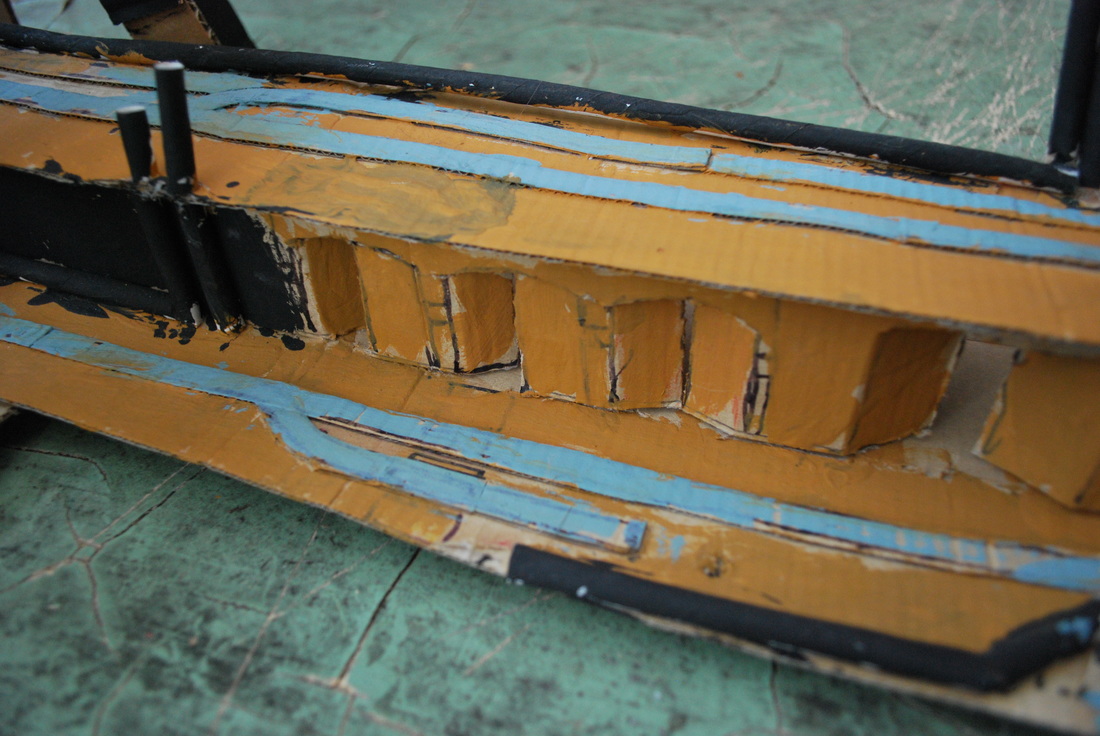 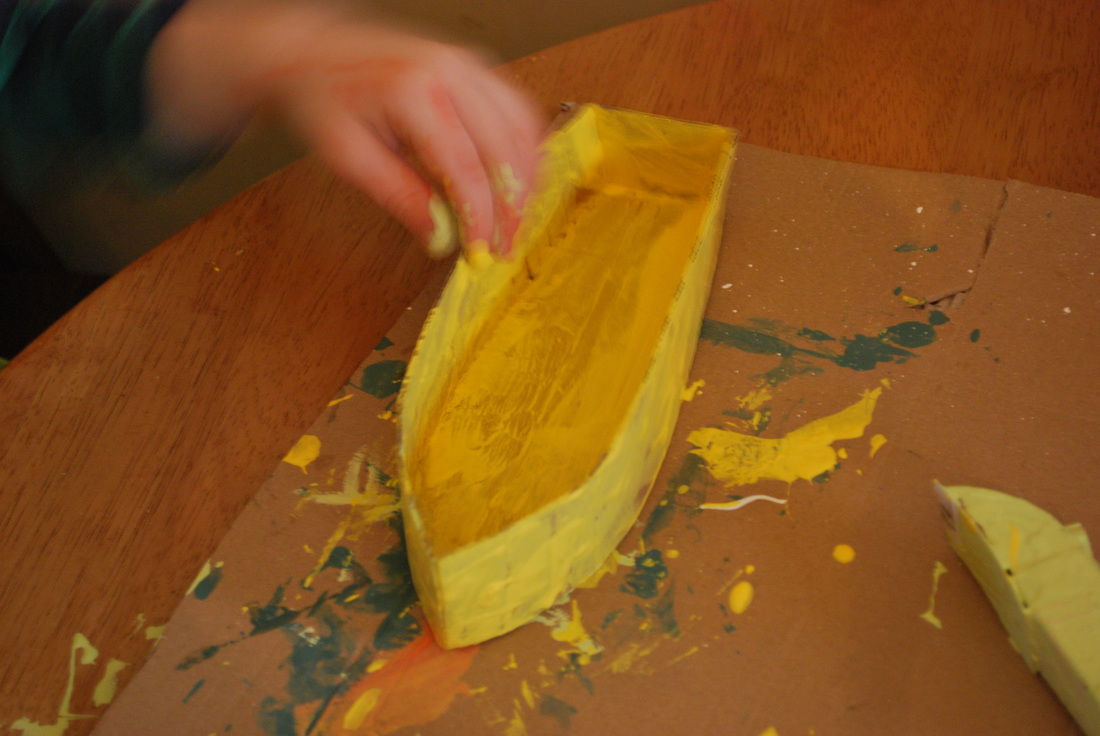 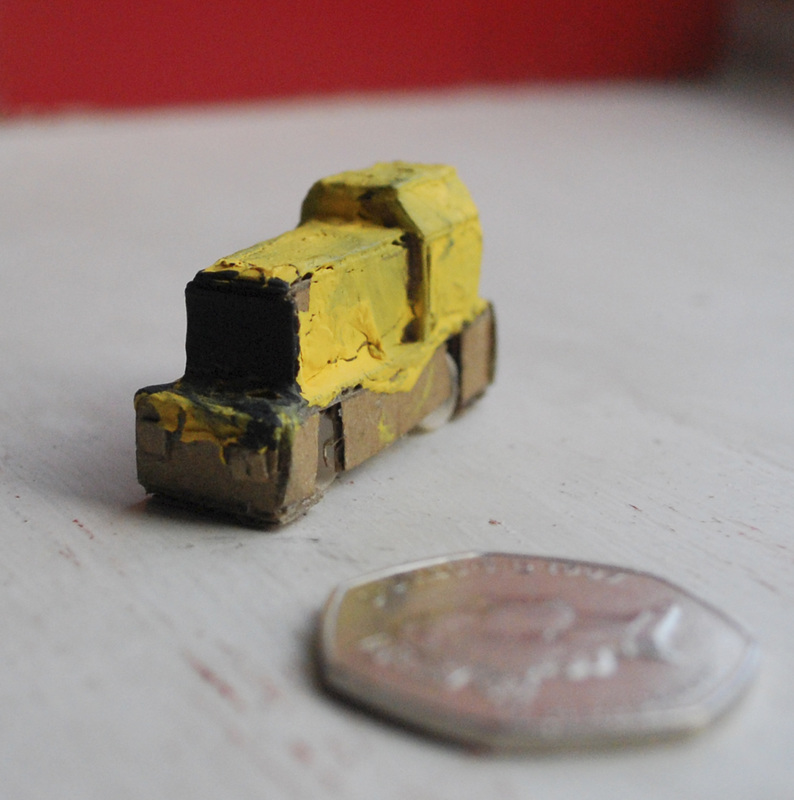 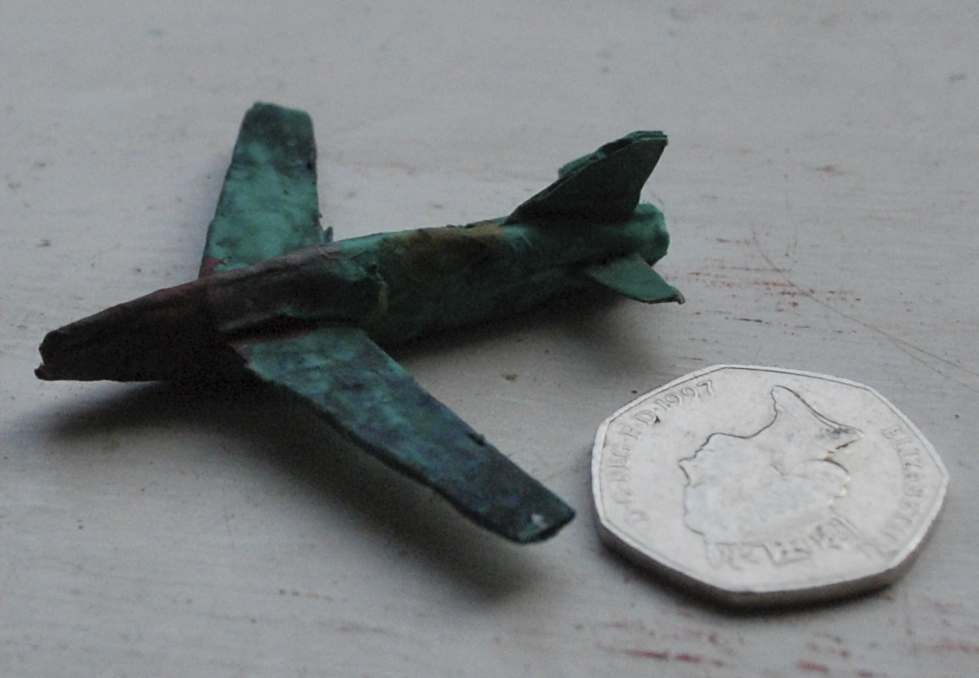 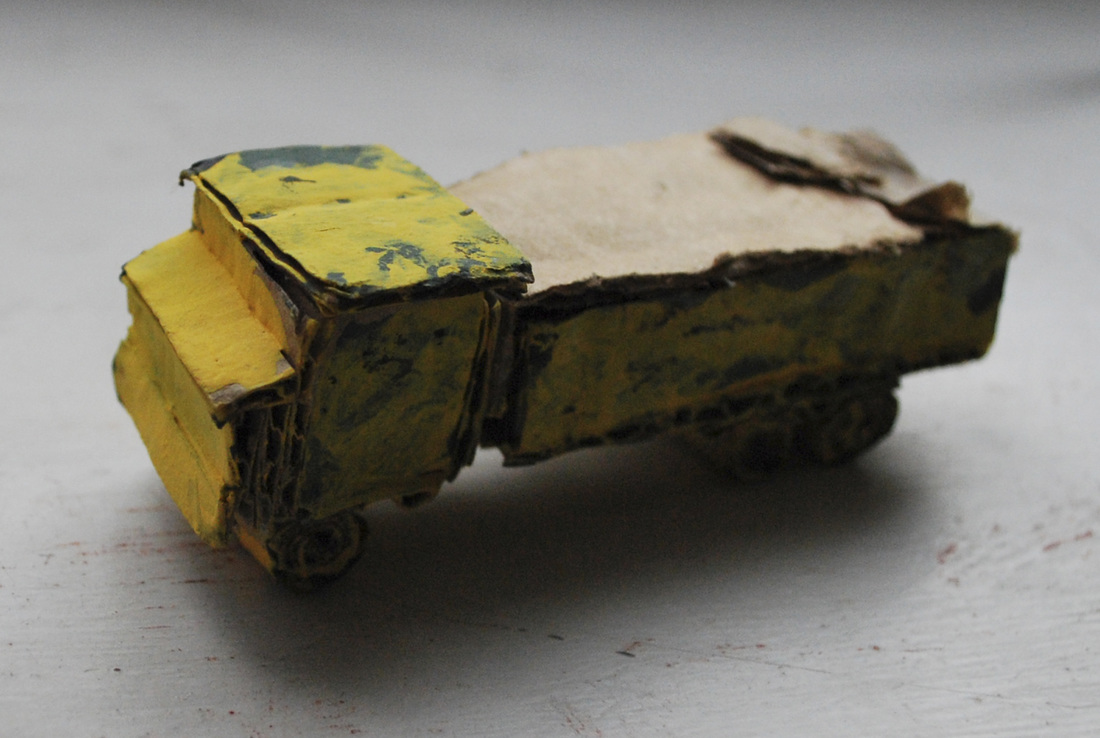 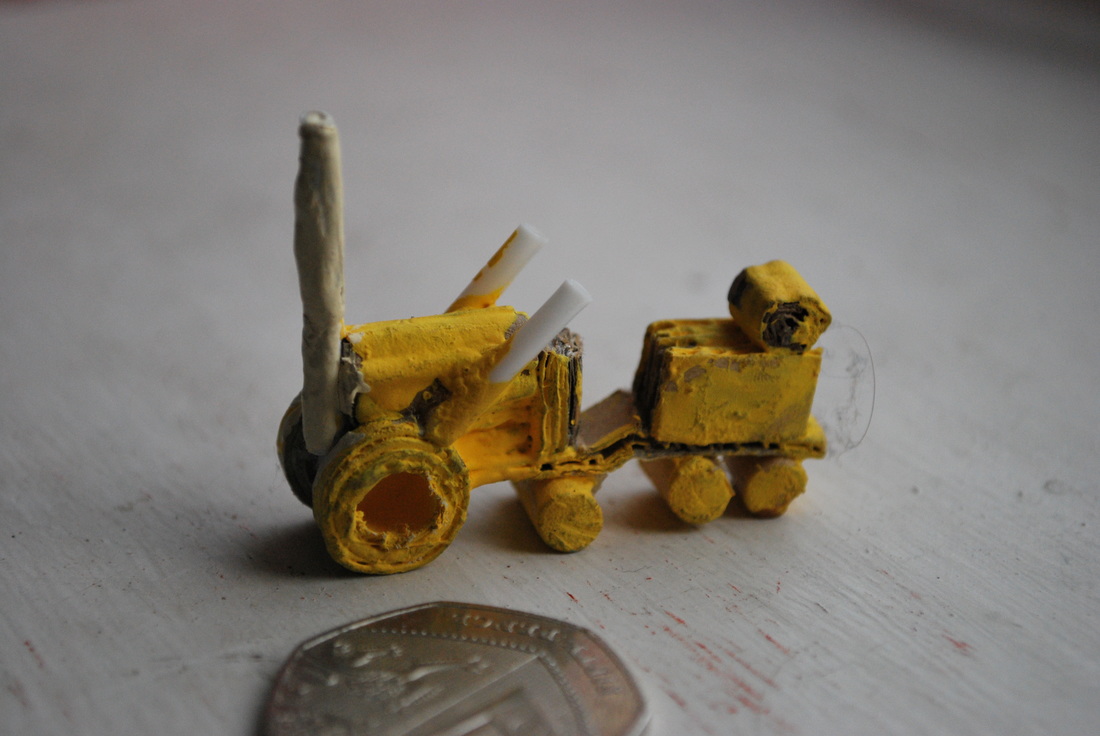 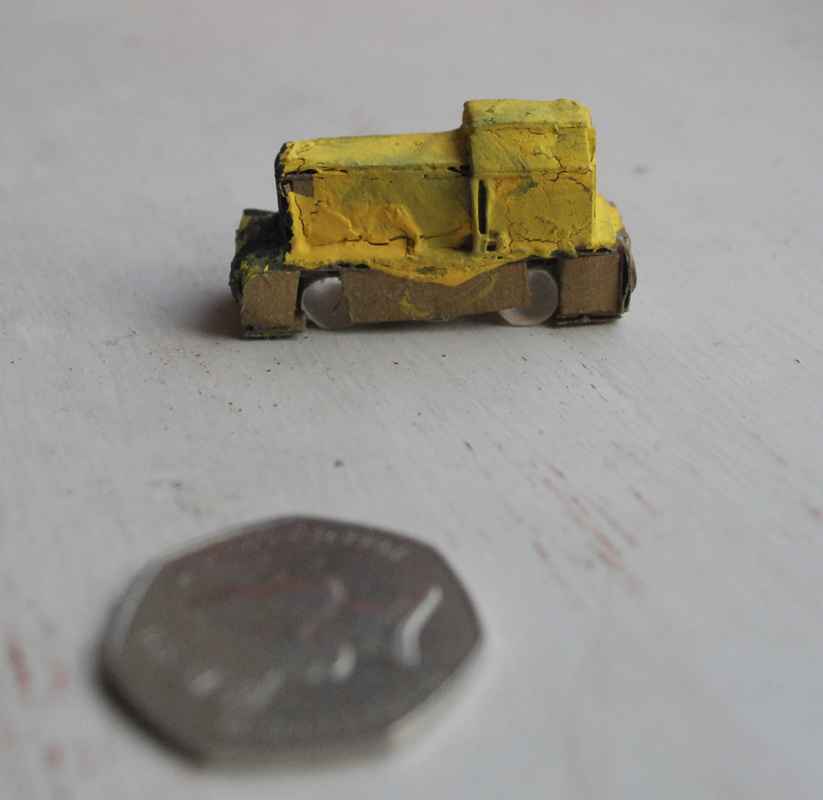 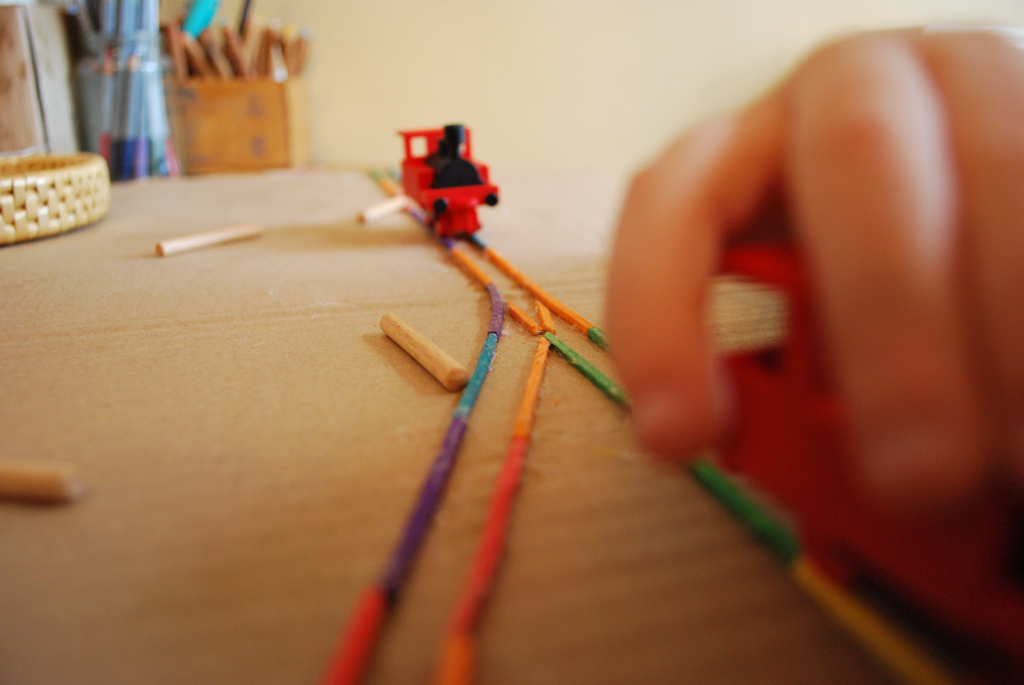 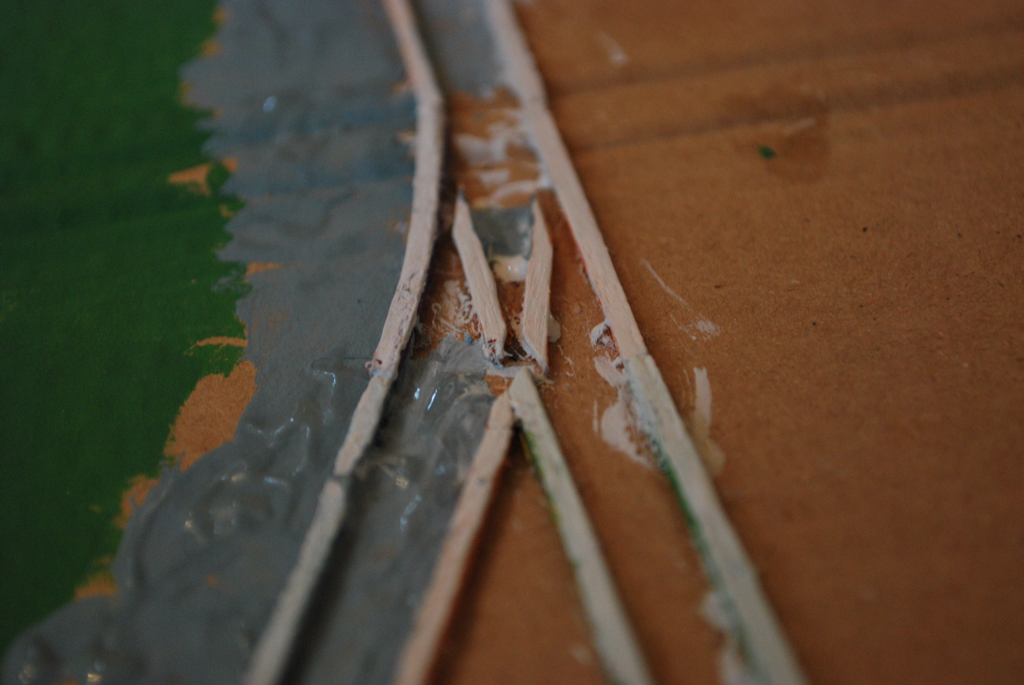 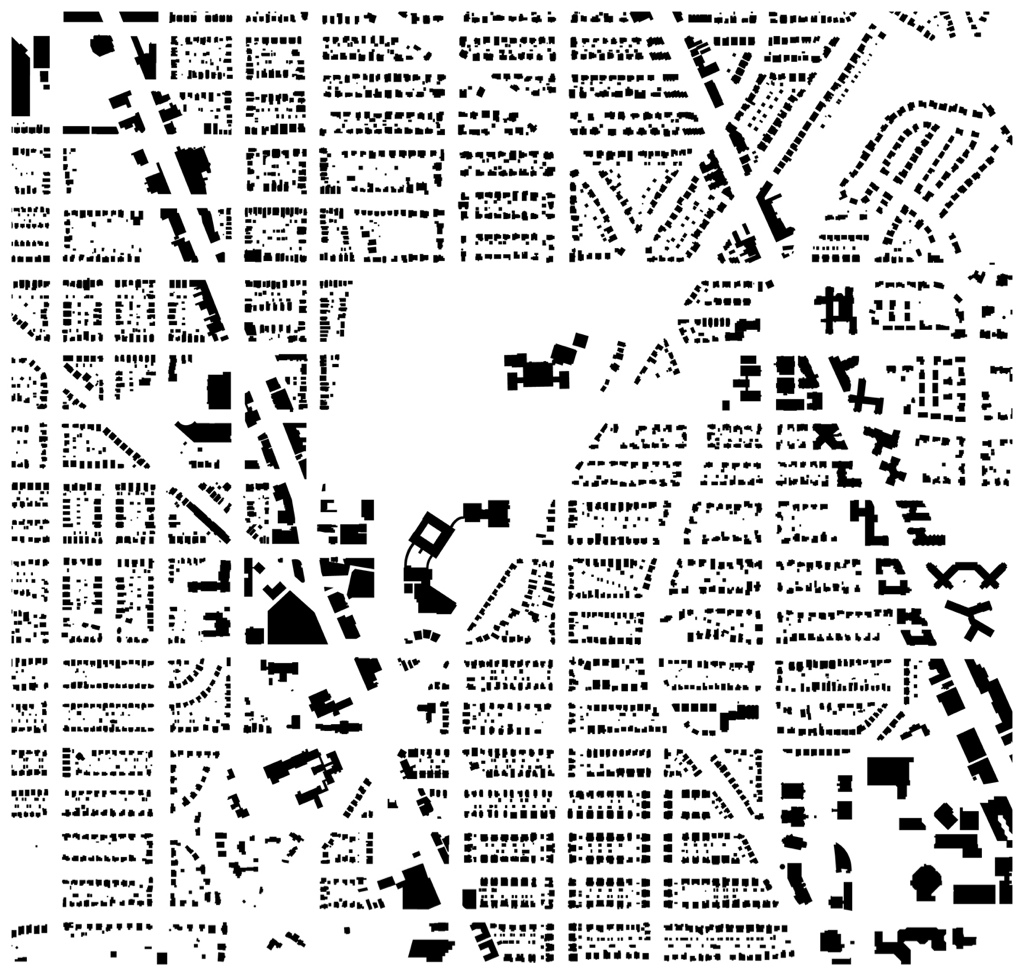 In Urban Design there is a very useful plan called the Figure Ground Drawing. It's usually black and white and is at the scale of roads and buildings - the city. The buildings are black (figure) and the background or space between is white (ground). This type of drawing shows density to open space ratios as a graphic abstraction. I like this drawing because it represents the physicality of an urban situation from an external perspective. Much like walking around the spaces of a city - the buildings become objects - their interiors separated into another world. The Euclidean notion of the line has length but zero thickness. This fits well with the Figure Ground Drawing as it could be said the boundary between the black and white is a line without any thickness. It also fits well with our experience of the city as a collection of objects with space between. And it could be stretched further to say an object (a building) has interior space and exterior space - the boundary between the two being a zero thickness Euclidean line. One of the motivations of Modernist Architecture was to breakdown the idea of internal and external space. Ultimately to express Architecture as the subject rather than the object. Consciousness as the subject. No separation - all as one. Below is a Modernist Figure Ground Drawing. 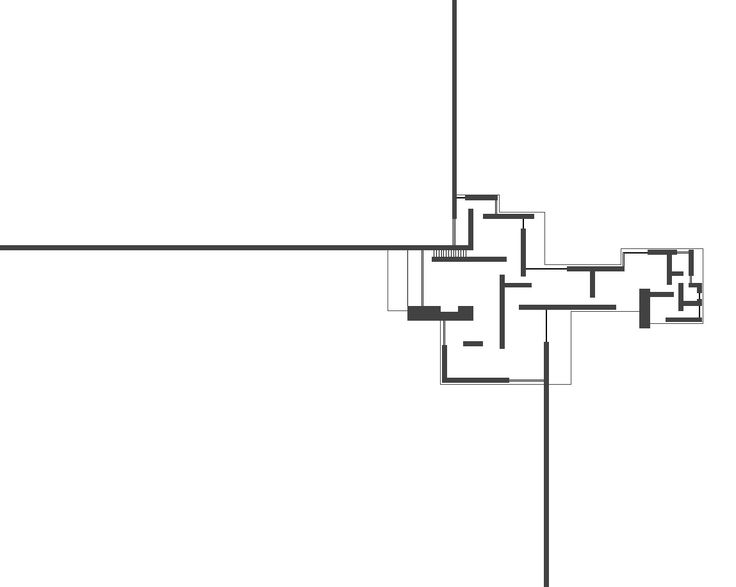 Space takes a step forward and the figure (object) is transformed into a line. Ironically Euclid's line is manifested by giving it real thickness - the wall. In Classical Architecture the wall doesn't exist - there is only the zero thickness boundary between object and space. And this is the paradox I felt on my first visit to Mies' Barcelona Pavilion. The very act of eliminating the boundary between the inside and out concretised the impenetrable nature of form. Transparency is rendered opaque by removing the illusion of the internal. 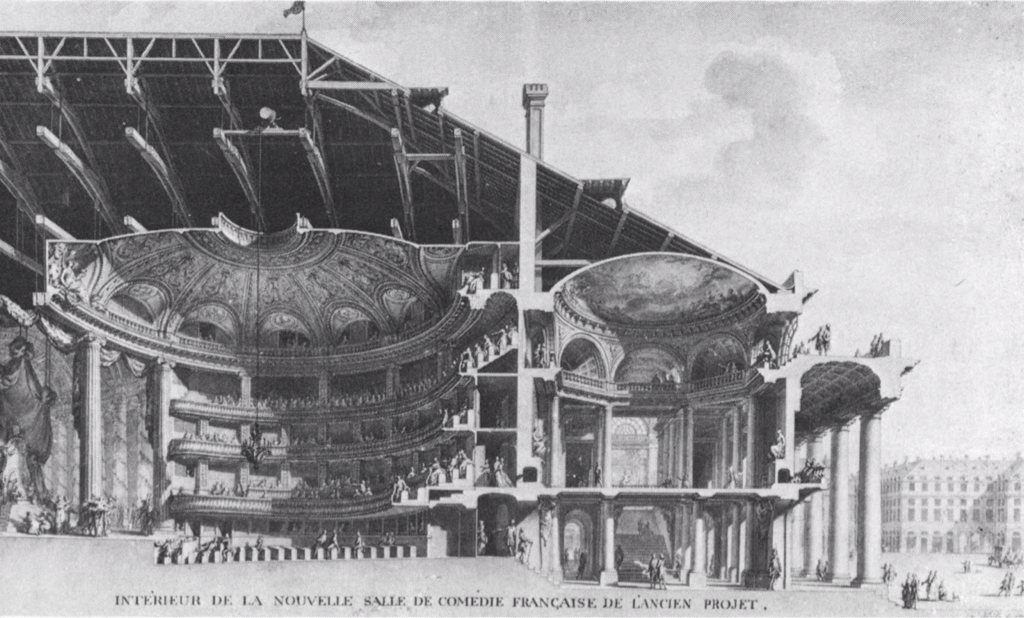 My design for the National Wildflower Centre took the impenetrable Miesian wall as figure and found space within its depth. The internal is sculpted out of the very fabric of the illusory line. A return to the Classical. An object with an interior. The zero depth line re-emerges as the boundary around the (Miesian) wall. It seems there is no way out. The interior is just an illusion. 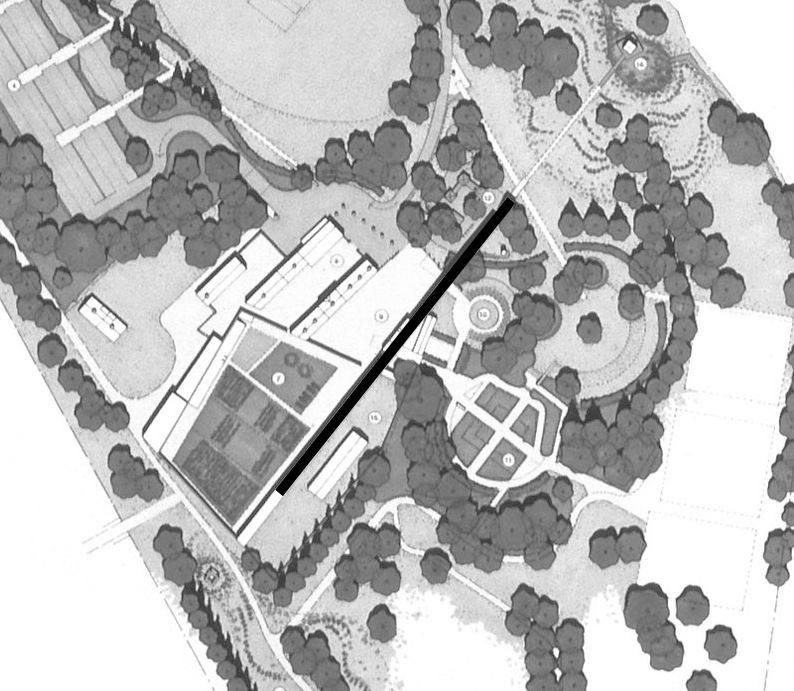 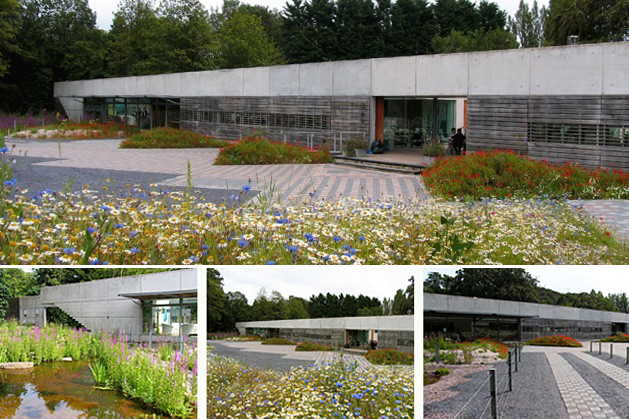 There's nothing like drawing. I love the computer and the images created when using it are Art. But, there's nothing like drawing. No matter how deep I journey into software I never have the 'feedback loop'. When drawing my inner life appears on the paper, a fixed moment, a snapshot of ever changing fluidity. The inner sees this and moves. This in turn moves the drawing. The drawing moves the mind. I mostly do this in my mind for most of the time, when I'm not being distracted by the world. Objects constantly enter and go through transformation never ending up on paper. I've designed whole buildings this way. When this happens the drawing is just there to communicate an already formed idea - the computer is perfect for this way of creating. I need to draw more. 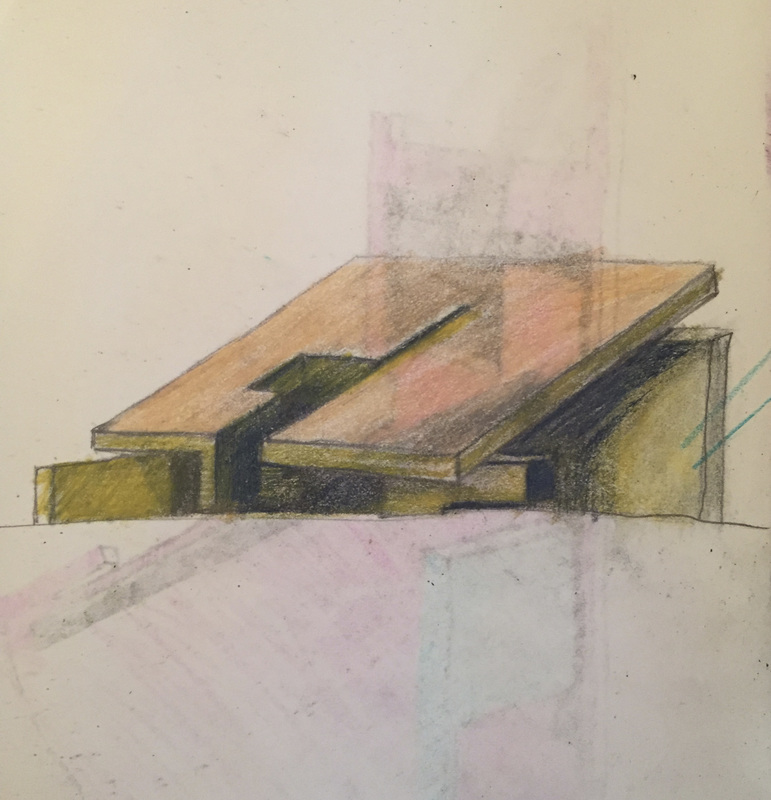 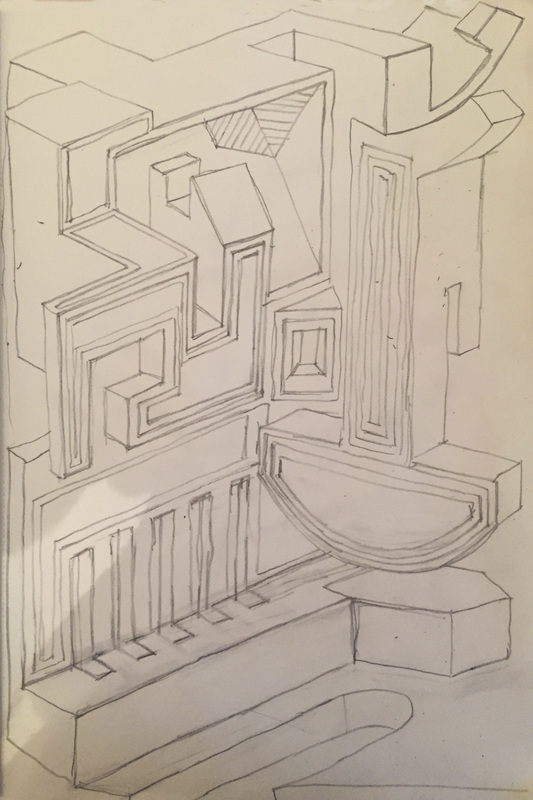 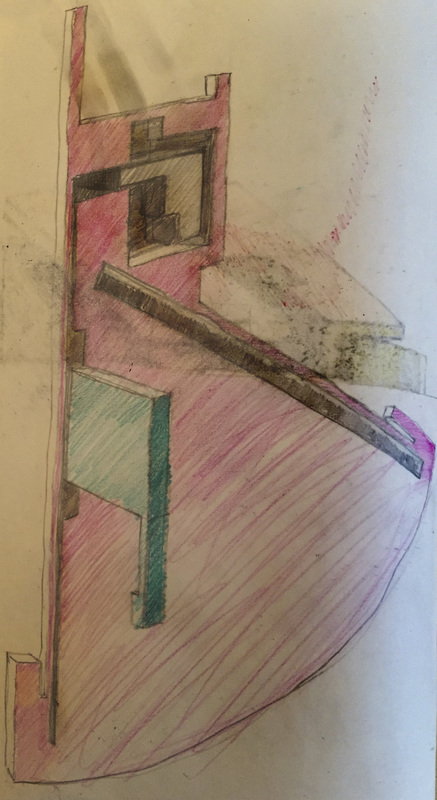 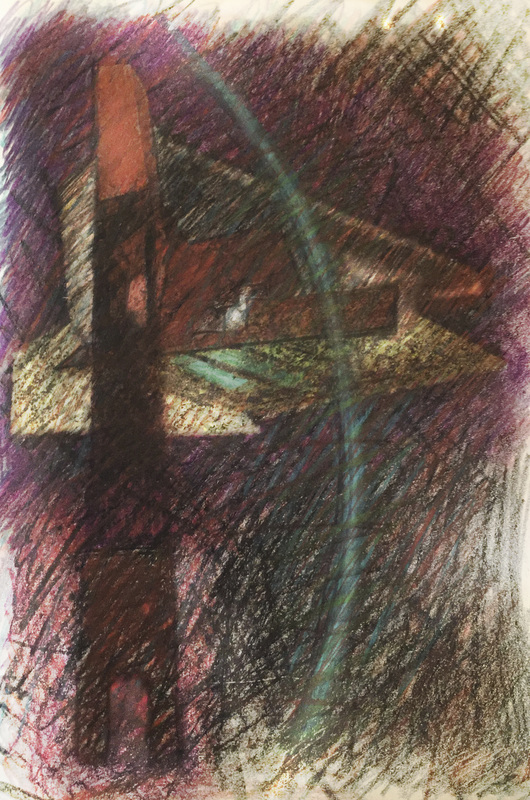 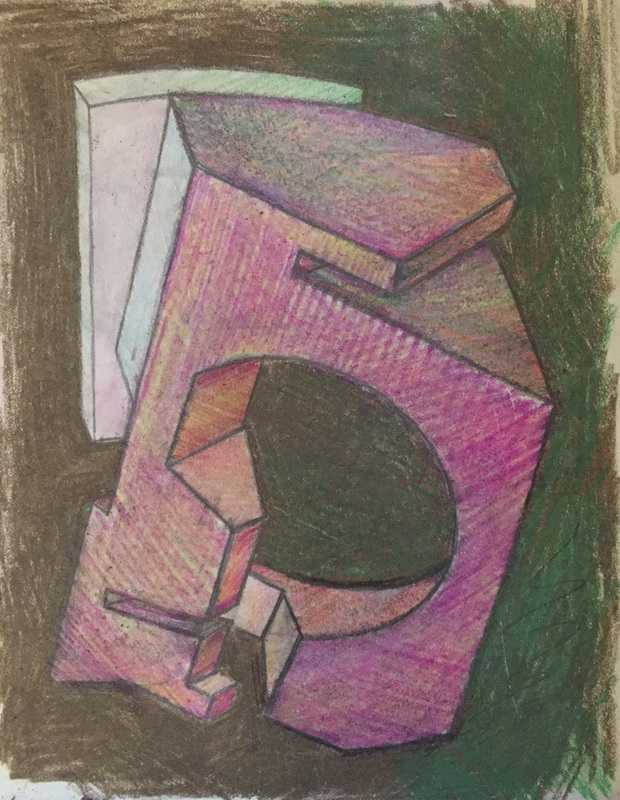 I just found these photographs of an orthodontic centre I designed taken by and old friend I haven't seen for a couple of years - Graeme Russell. 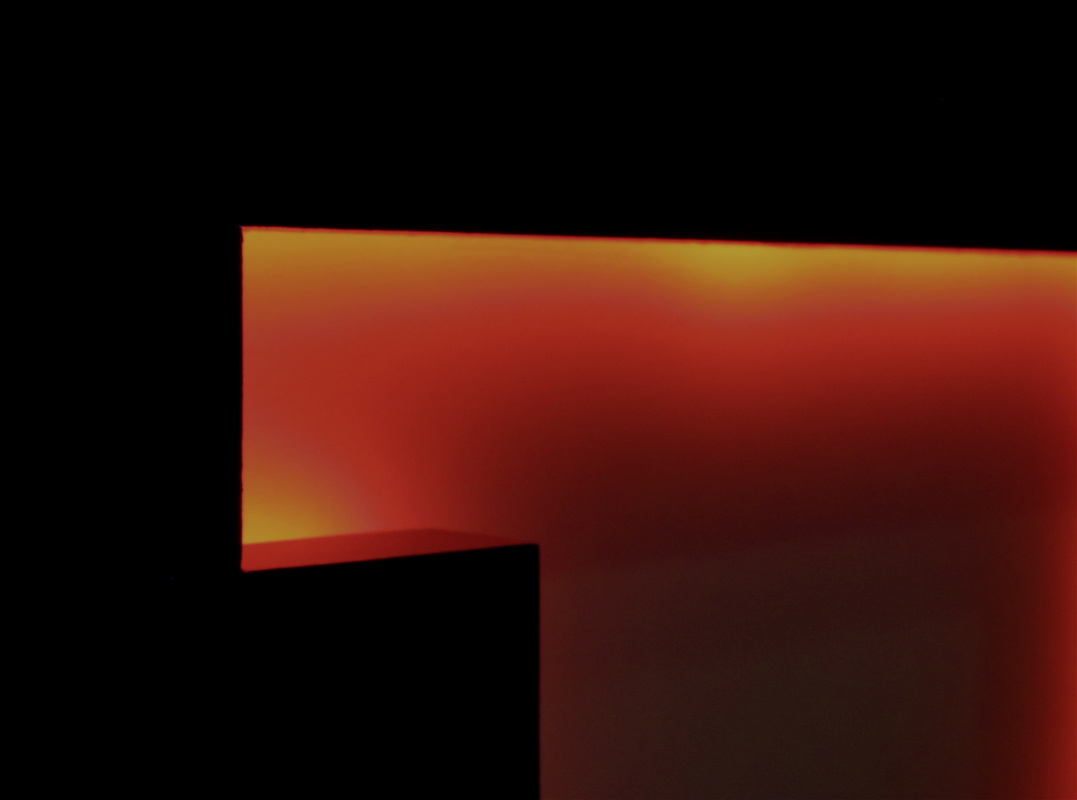
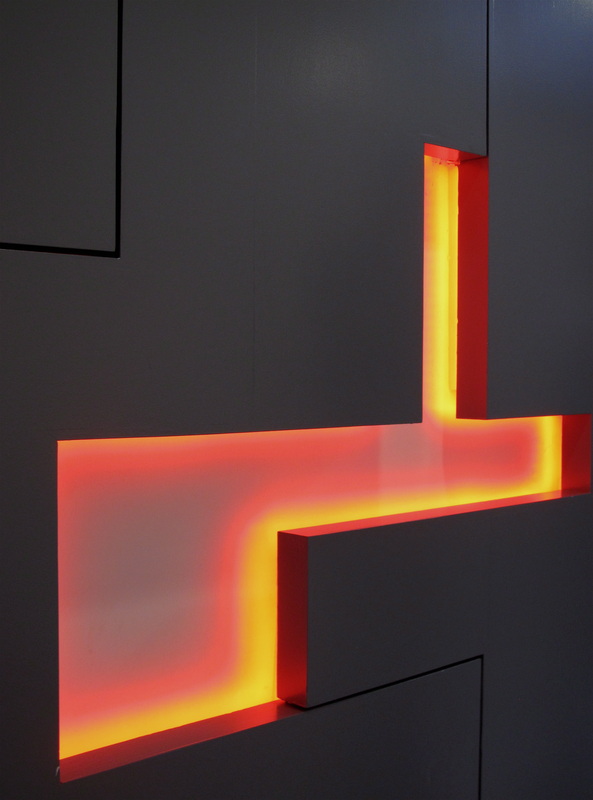
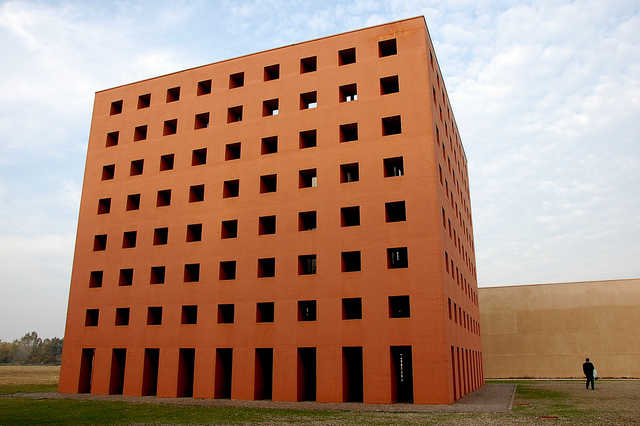
I constantly wrestle with opposing forces. Through experience I know the bloodier the battle the closer I am to a truth. I know this because any form of fighting can only come from believing in a particular position. And I know even more deeply that particular positions don't exist. In light of the above it may sound contradictory to say that I know I'm onto something when I have a good battle raging - surely scrapping must be the diametric opposite of what's really happening. But to think of it as a battle is also a fixed position, and we know fixed positions can only take us into battle. And even knowing all this I still have no choice but to fight. But I do it in the knowledge that the fighting will eventually end and what seemed to be opposing forces will have melted into a flow of continuity, and it was only my fixedness that saw opposition where none existed. The battle is an alert, an indicator something is crumbling within, it relentlessly rages on becoming more devious, more brutal, safe in the knowledge of its own ultimate conclusion - dissipation into light. This is war's purpose in life - to never give up until the bloody end. Beautiful logic. An example - the perennial issue I enjoy struggling with is the practical tension between archetypes and the desire to be irrational, or even worse, original. Intellectually it's fairly easy to resolve but I do have a trait for rule breaking. I used to think it was cool but now it's just become hindrance to progression, a habit. Aldo Rossi has an answer - typology in architecture is something that is permanent and exists prior to form. He says dwelling types haven't changed from Antiquity to today. The form has, but the typology persists. Typology is the model and the model shouldn't be copied as there would be no Architecture. I love all this and it provides a way forward. A way to be creative and at the same time not deny there are archetypal forces which exist and shape what we do, probably more so if we oppose them. And even saying all the above I'm still at war with it. This is why the Borg say ''Resistance is futile''. 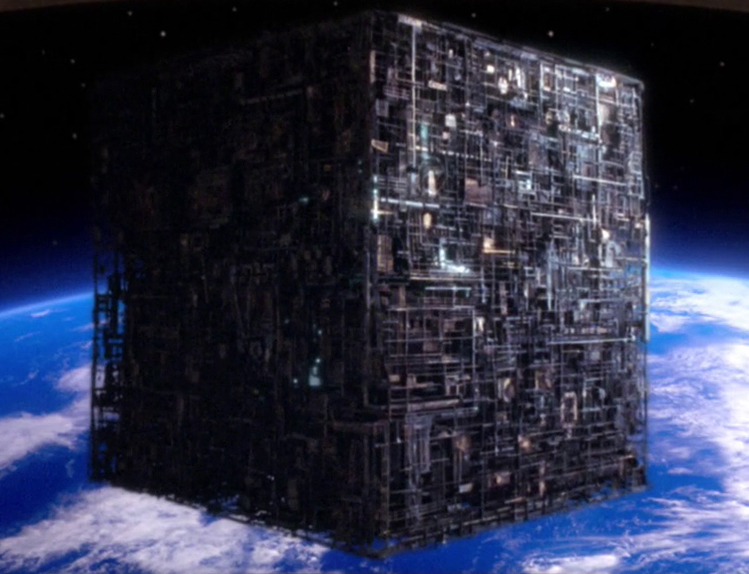
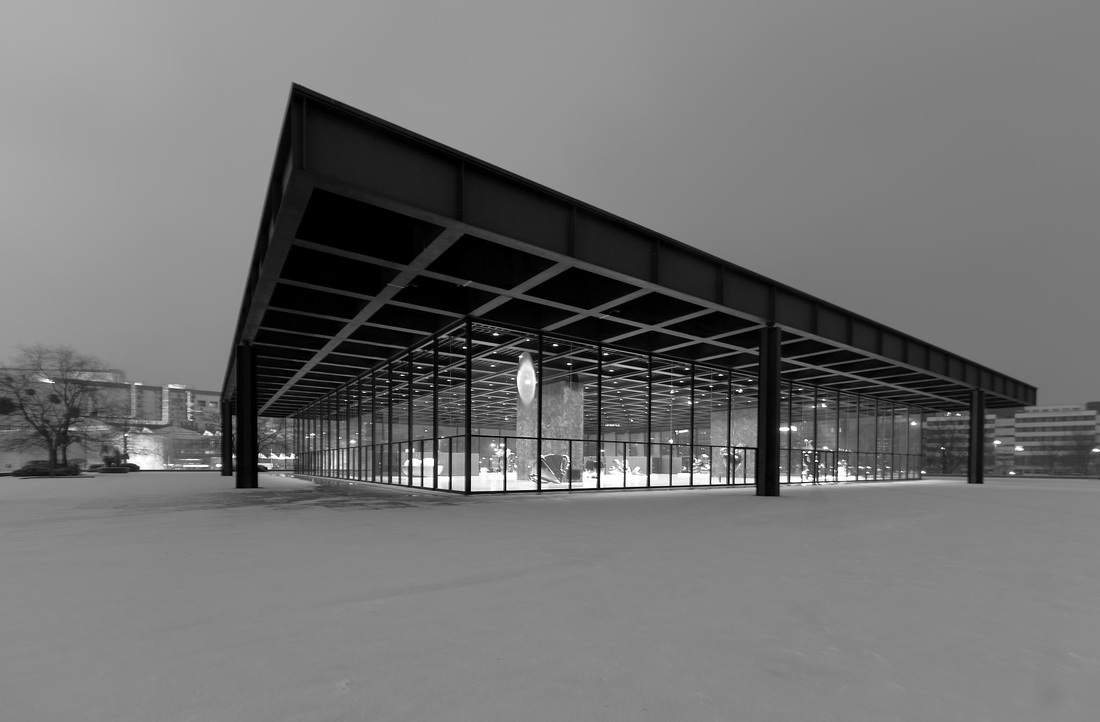 I recently had a discussion with an old friend about Architecture which shifted the balance of my understanding of Mies. More specifically it was about how we appreciate a work of architecture - as an abstract, physical, spatial, object or as an expression of a set of values and beliefs about the world. The discussion went something like this. As Vitruvius said, Architecture is a political act. The reason Mies is Mies is because his Architecture is fuelled by human issues which go way beyond the surface of his physical constructions. When Mies returned to Germany and built a transparent art gallery in the heartland of what was the centre of Fascism - Berlin - the last things on his mind were 'I' columns and beautiful proportions. Well, not the last, but they were there only as a means to clearly express a political position. Imagine having to leave your homeland to live in America, for all the reasons we know about. And imagine the immense significance and emotion Mies must have felt when returning after the war to create Architecture which expressed values, not only in opposition to Fascist ideology, but about a modern, transparent world. It's easy for us now to forget the context and focus on the work of Art. And you have to remember that in Mies' time all the top Architects of the day were masters of proportion and detail. They were grounded / trained in the Beaux Arts tradition. It's only today, when those skills are very rare, that we fetishise Mies - for all the wrong reasons. That being said, the genius of Mies was to uncover a physical expression for those values which not only goes beyond the proportional skills of his contemporaries, but also brought forth a new form of Architecture. The lesson here is a reminder not to worship the graven image. Idolatry - it's hard not to become entranced by the object, thinking that's it. And it's even easier to misinterpret Mies' famous sentence - 'God is in the details'. 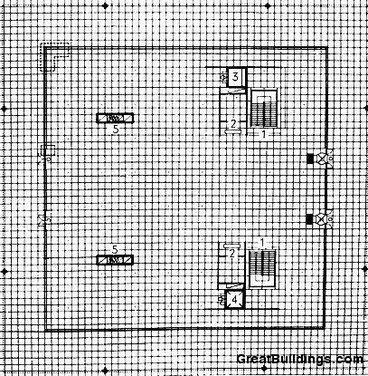 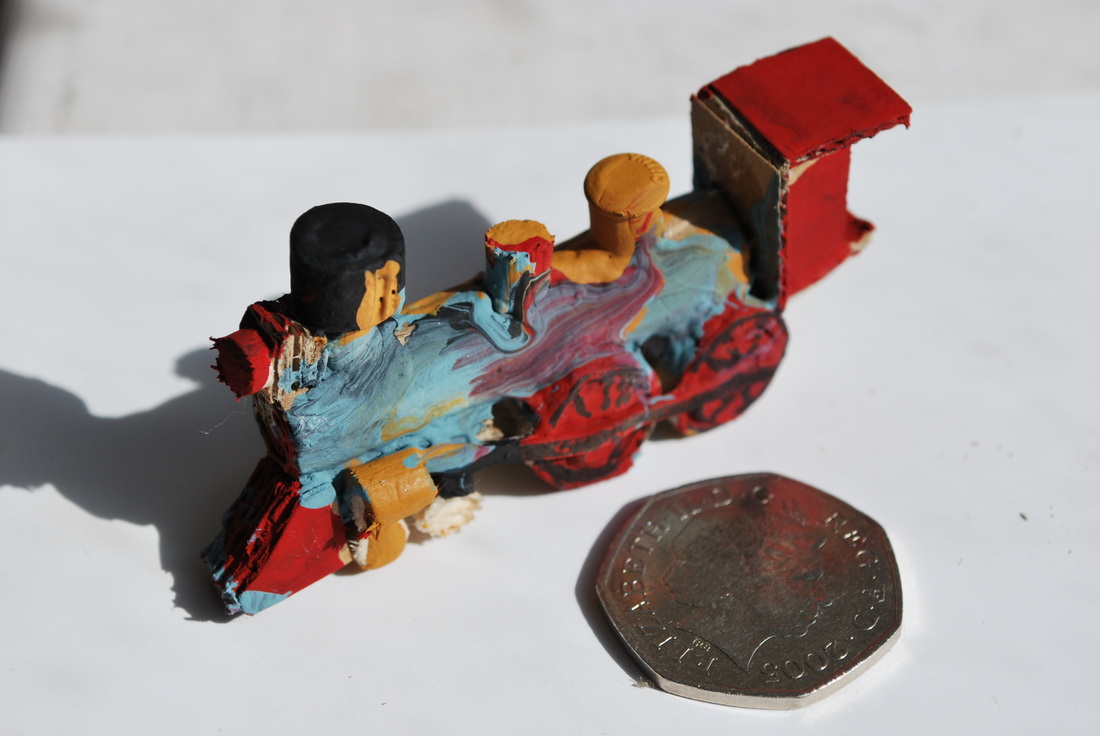 My five year old son Louis has a new love - modelling. We sit and cut tiny bits of cardboard out, he uses scissors and I a knife. Wheels are made from dowel and sawn up plastic cancer research pens - they're the perfect size. Initially I glued most of the little pieces together, but now he does it himself. Below is one he just made while I wasn't looking, I sawed the pieces of dowel for the wheels and funnels. 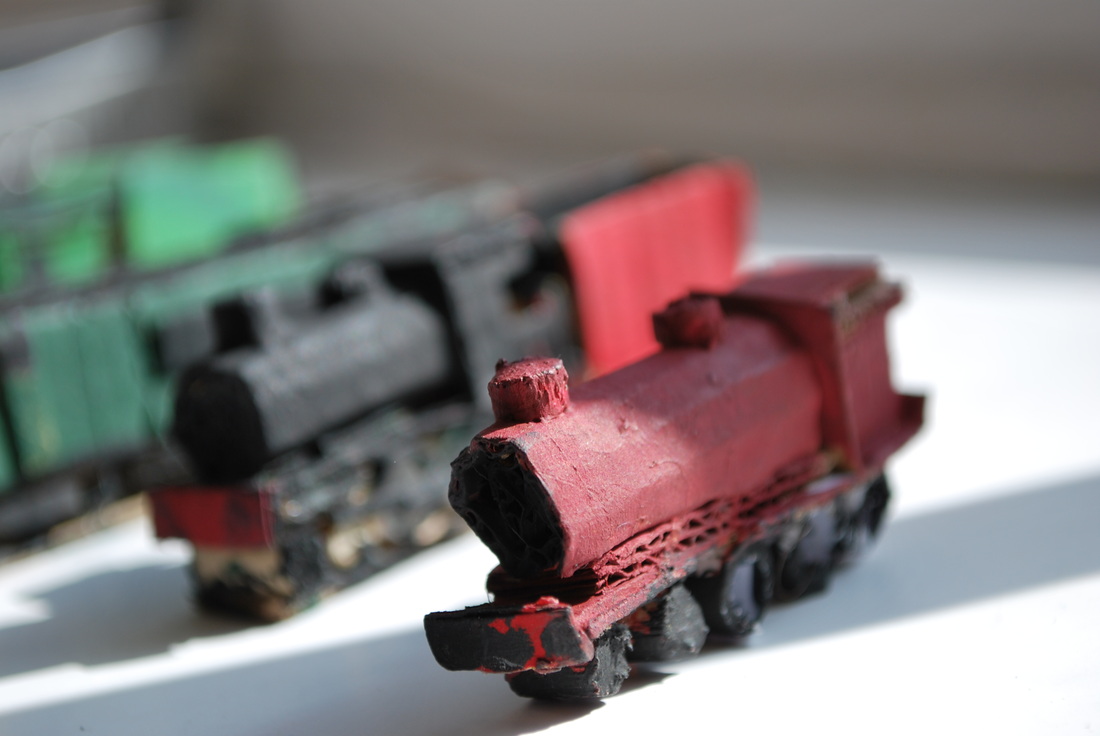 Painting is Louis' job. He knows exactly, with absolute unshakable certainty, what colour each engine should be. I bow to his insight. I have my own ideas too, but these are his engines not mine. I struggle with that. 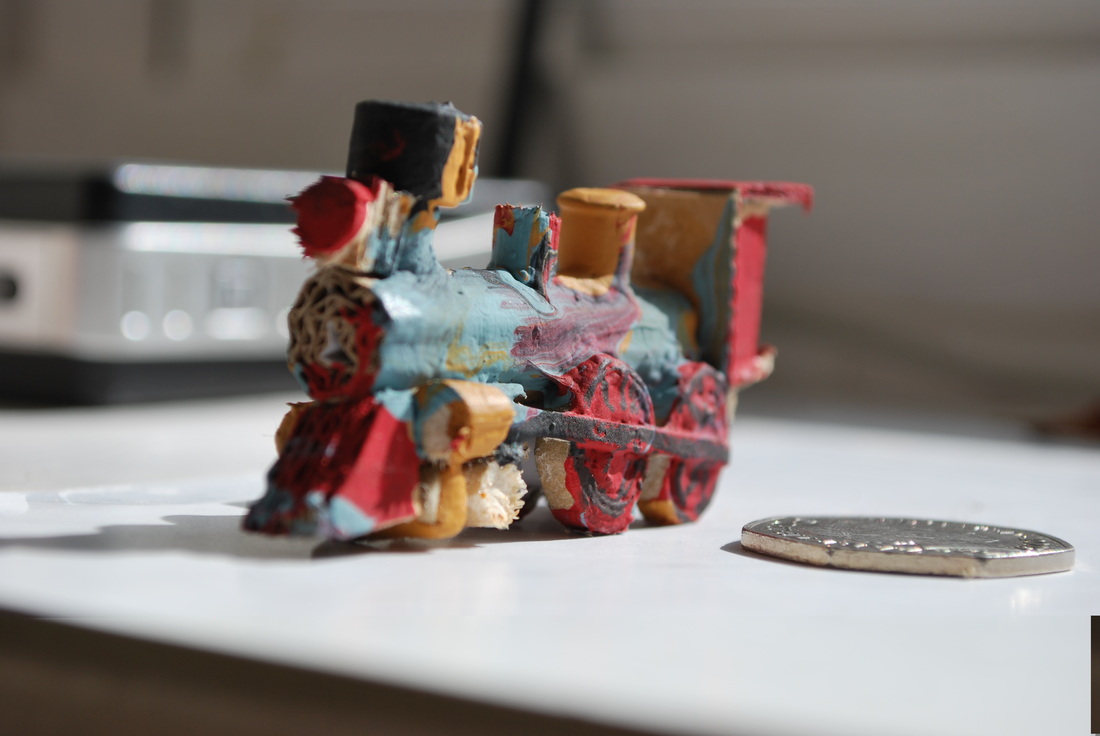 Albert, my two year old is fascinated by them. When I give them him to play with he looks at me in disbelief - 'how is it possible I can play with something which has an intricacy so absent in my other toys?' - this is an expression rather than words. Somehow these small creations have a different value, he sees them as precious. And my reasoning was if he broke them I'd just glue it back together. Interestingly none of them have required any repairs. They disappear too, but then always reappear - they seem to be indestructible and unloseable. 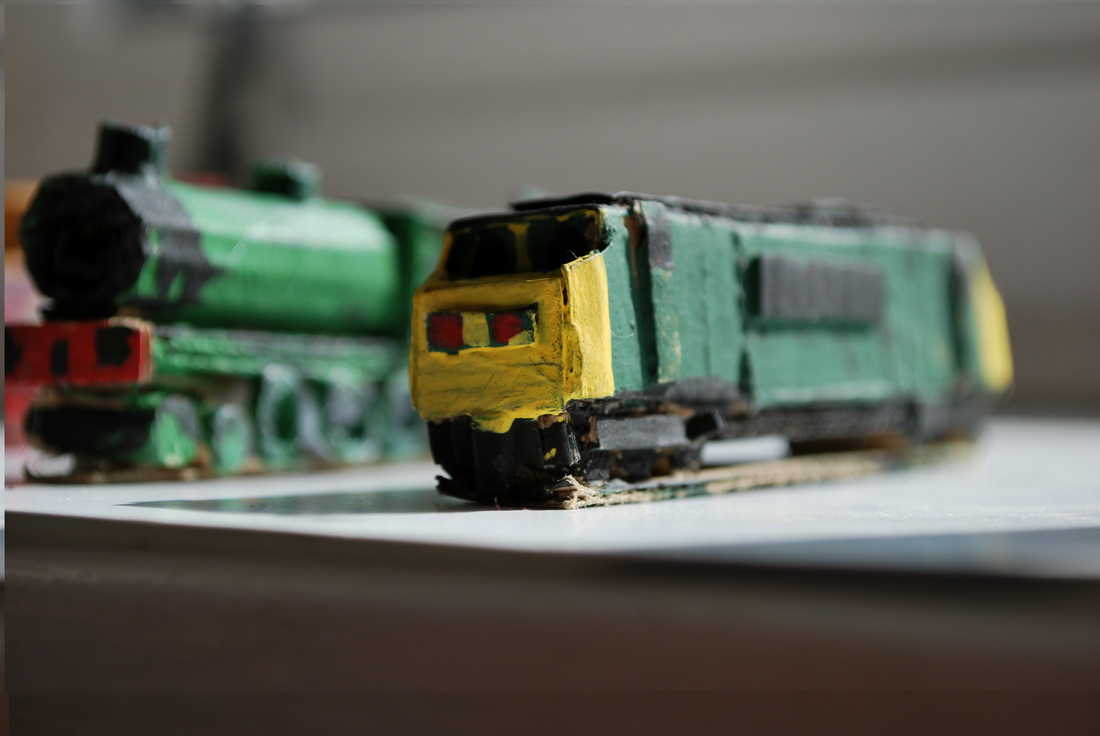 And what a gift for me. Louis dragged me out of bed at 6.30am to build the American style Jupiter engine. There wasn't even time for a coffee - the excitement so great. Such clear, focused, pure enthusiasm and love for a bit of cardboard and glue is literally changing my life. 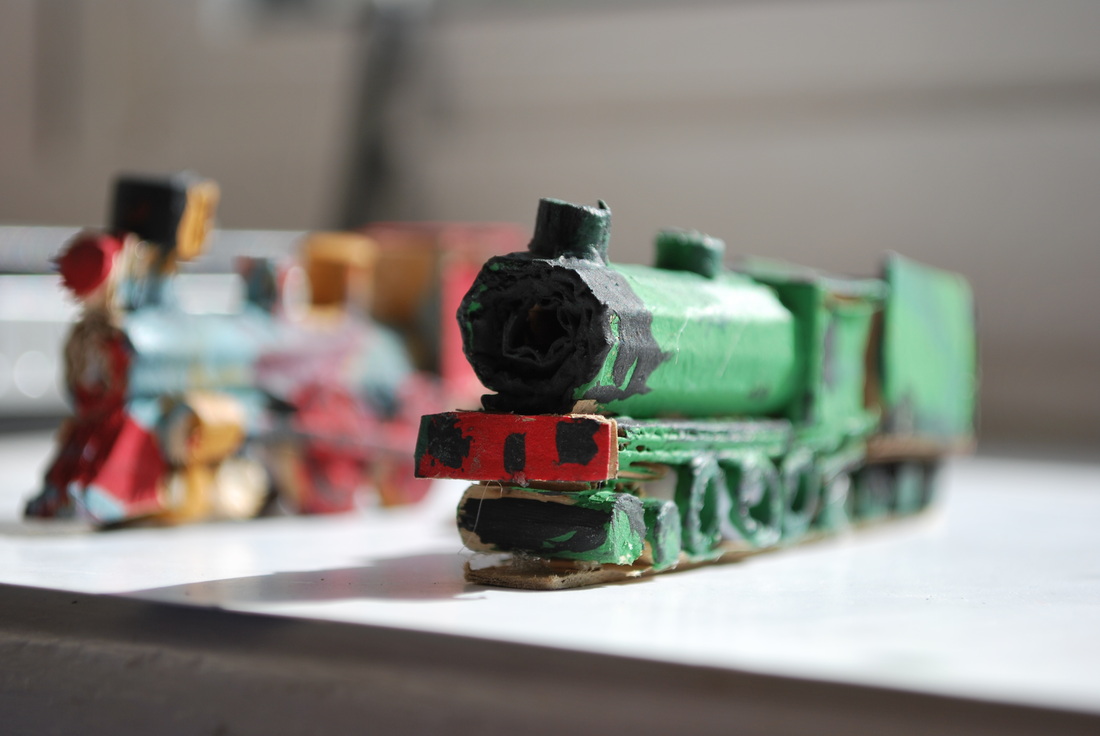 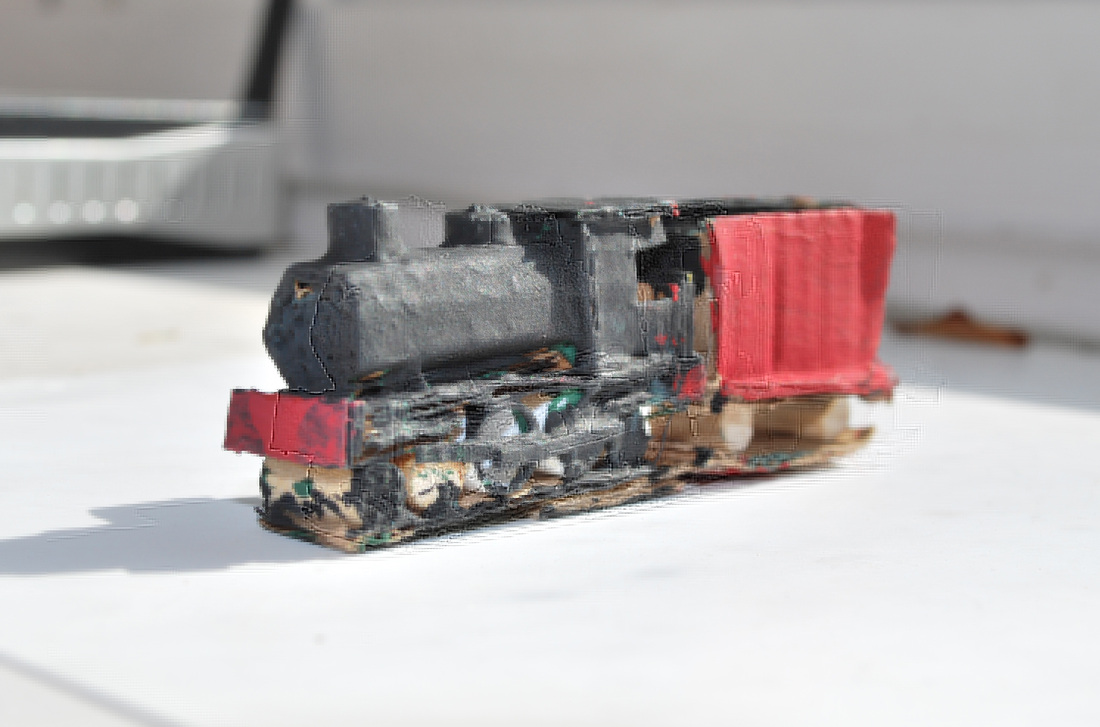 |
Maurice ShaperoMy personal blog Archives
August 2023
Categories |




 RSS Feed